Realtor postcards & direct mail
The BrokerFold Team — Product + Engineering
Last reviewed
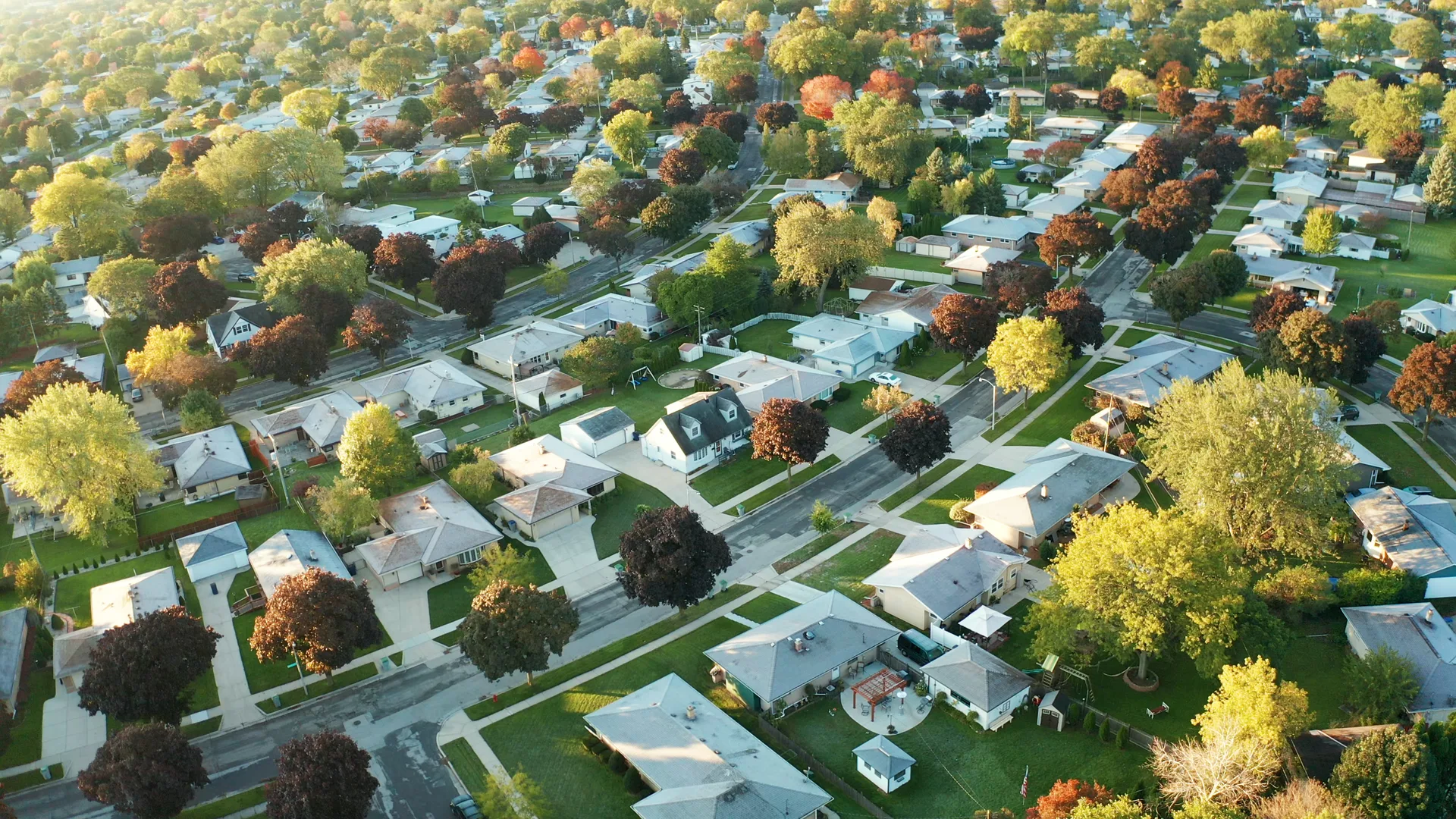
Direct mail is the channel everyone declares dead and certain farming agents quietly build careers on. Both observations are true, because mail only does one job well: building name recognition in a fixed geography through years of repetition. Used that way, it retains two structural advantages no digital channel offers — a physical object in a home you want to list, and freedom from the inbox’s competition. Used any other way, it is expensive confetti. Here is the honest version, Canadian rules included.
Where mail still earns its postage
The case for postcards is the farming case: a defined neighbourhood receives your name, your face, and something locally useful, month after month, until “call the agent who knows our area” and your name become the same thought. Mail suits this job because it is geographically exact — you buy precisely the streets you farm — and because homeowners, the audience that lists, still open their mailboxes daily. One legal footnote works in mail’s favour too: CASL governs commercial electronic messages, so paper mail sits outside its consent regime — you can lawfully mail a neighbourhood you could not lawfully email. What mail does not do is generate buyer leads, produce measurable response from single drops, or work as an occasional experiment. The channel is a lease on a neighbourhood’s memory, and the rent is consistency.
The math, done honestly
Cost per piece is print plus postage. Canada Post’s unaddressed admail product (Neighbourhood Mail) prices saturation delivery per piece by size and weight, with letter-carrier routes as the targeting unit; its addressed products cost more per piece but target precisely. Rates change — price a real campaign from the current rate cards on canadapost.ca rather than any figure a page like this could freeze. The modelling discipline matters more than the unit price: direct response to farming mail is a small fraction of a percent, so the arithmetic that justifies the spend is not “pieces ÷ responses” on one drop but market share of a farm’s listings over years. Budget the farm as an annual commitment — pieces × drops × cost, compared against one listing-side commission in that neighbourhood — and the go/no-go becomes a sober bet on whether you will actually sustain the cadence. If the annual number frightens you, shrink the geography, never the frequency.
What to send
Market pieces beat brag pieces. A quarterly snapshot of the neighbourhood’s own numbers — what is moving, what has changed — gets kept on fridges; “top producer” claims get recycled and must be substantiable anyway under the accuracy rules in the advertising checklist. Just-listed and just-sold cards are the genre’s classics, with one bright line: advertising a specific transaction’s details — the sold price above all — needs written consent from the relevant parties, so secure it at the deal or market the outcome without identifying specifics. Flyers and templates: simple wins. One idea per piece, your face and name consistent across every drop, registered name and brokerage on everything, and a reason to act. Skip the printer’s crowded twelve-photo template — recognition needs repetition of one clean identity, not variety.
Pair the paper with ground you own
A postcard’s job ends at generated intent; where that intent lands decides whether you ever hear about it. Give every piece one specific destination — a home-valuation page, a neighbourhood market page — via a short URL and QR code, so a curious homeowner becomes a consented contact instead of an anonymous impression. This is where mail stops being unmeasurable: page visits and sign-ups per drop are real numbers, and the digital half of the farming pattern is covered in geo-farming online. The complementary move works too — the farm’s email list, built from those sign-ups, gets the newsletter between drops, with the consent trail CASL requires. Paper builds the recognition; the owned page converts it; the follow-up system keeps it. Mail fails most often not in the mailbox but in the missing second half — the full channel map it belongs inside is the Canadian marketing pillar.
Frequently asked questions
Do postcards still work for realtors?
As a farming instrument, yes — one geography, mailed consistently for years, builds the 'that's our neighbourhood's agent' recognition that produces listing calls. As a one-off blast, no: single drops into cold neighbourhoods produce response rates that round to zero. The channel rewards exactly one behaviour, repetition in one place, and punishes everything else.
How often should a realtor mail a farm?
Often enough to be remembered between drops — in practice a monthly-to-quarterly rhythm sustained for at least a year before judging. Recognition in a farm builds on frequency times duration; a beautiful piece mailed twice is a rounding error. If the budget cannot sustain the cadence across the whole area, shrink the farm until it can.
Can I put a sold price on a postcard?
Not without the written consent the advertising rules require — a specific transaction's details are exactly what the consent requirement covers, and a just-sold card pairing an address with a price is the textbook case. The compliant patterns: get the consents in writing first, or market the outcome without identifying details — 'sold on your street, want to know what it means for your home?' does the farming job without the disclosure.
Keep reading
- Geo farming online Geographic farming has moved online: how neighbourhood pages, live market stats and listing alerts turn a farm area into a durable digital asset.
- Real estate marketing, Canada The full channel map under Canadian rules — CASL, RECO/TRESA advertising, sourced CAD benchmarks — and an honest platform-versus-retainer comparison.
- RECO advertising rules for websites The audit checklist: registered name with the right descriptor, brokerage clearly and prominently identified, nothing misleading — on site and socials alike.
- Real estate newsletter The consent-first newsletter playbook: who you may legally send to, a content formula that survives unsubscribe pressure, and cadence that compounds.