Geo farming online
The BrokerFold Team — Product + Engineering
Last reviewed
On this page
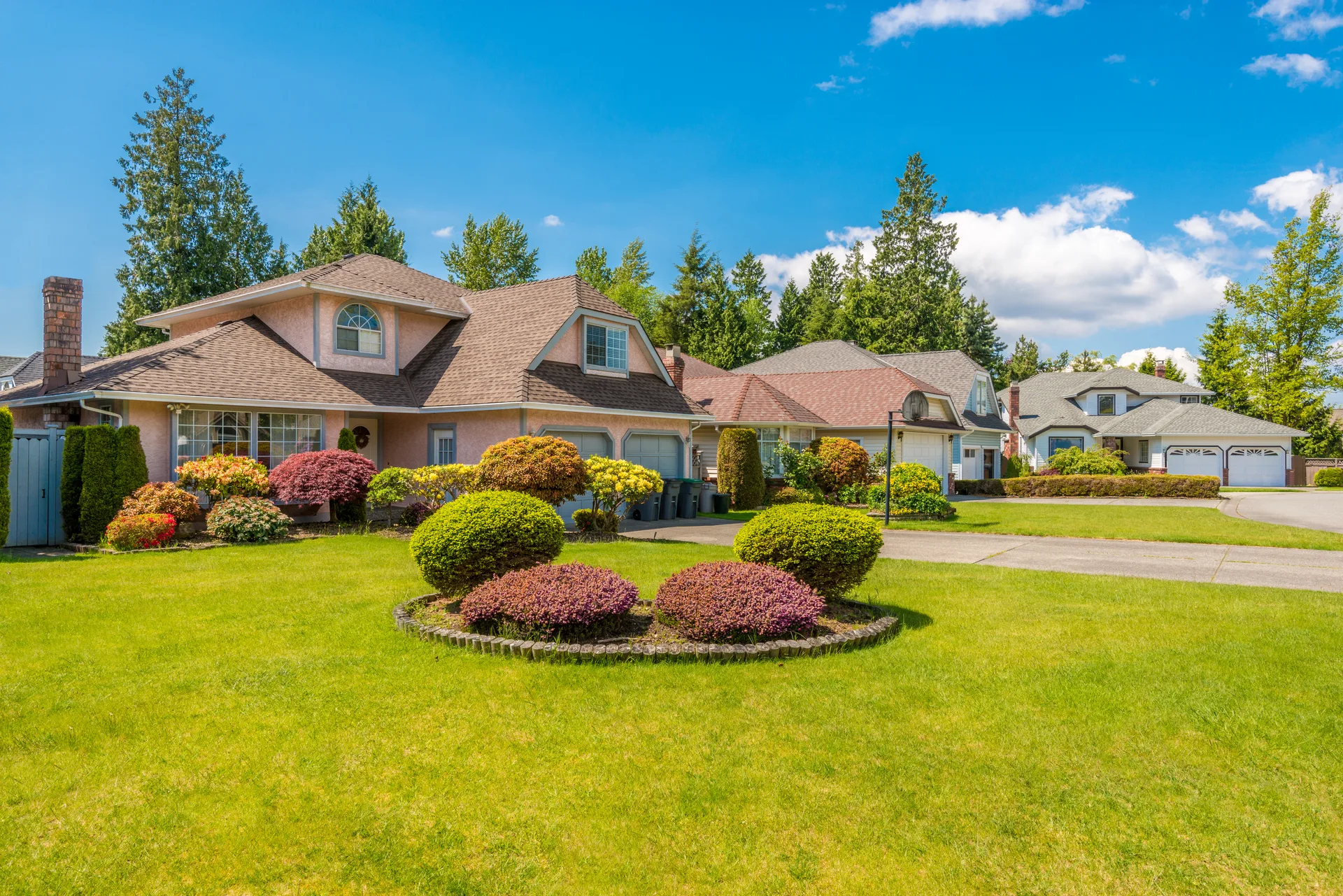
Geographic farming has always been the same wager: concentrate on one neighbourhood until you are its default agent. The postcard era ran that wager on repetition and recall. The online version runs it on ownership — of the search results, the data surfaces and the registered audience for one specific patch of the map. The wager is unchanged; the assets are far more durable.
From impressions to infrastructure
A farming postcard is an impression that ends in the recycling bin. A neighbourhood page that ranks is infrastructure: it works every day, compounds with age, and captures contacts rather than hoping for recall when the owner eventually sells. The core shift in online farming is directing every dollar and hour toward things you accumulate — pages, rankings, registrations, CRM records — instead of things that expire on delivery.
The digital farm, layer by layer
A worked farm on your own domain stacks four surfaces:
- The neighbourhood guide — the editorial anchor: housing stock, streets, schools context, who the area suits, written with the specificity only genuine local knowledge produces. Neighbourhood guides are the rare content class where a solo agent can outrank the portals, because the portals cover every area and therefore none of them well.
- The live data layer — current inventory and a neighbourhood-level market watch panel that updates as sales close. This is what keeps the farm page a reference rather than a brochure: owners come back to check on their own market, repeatedly, on your domain.
- The capture layer — listing alerts for the area and the home valuation funnel for its owners. Farming’s whole premise is that everyone in the area is a future seller; the valuation page is where that future intent identifies itself early.
- The follow-up layer — every registration and valuation request lands in the CRM tagged with behaviour, so “resident of the farm, checked their value twice this quarter” is a visible signal rather than a guess.
Search is the delivery route
The postcard’s delivery route was Canada Post; the farm page’s is Google. Neighbourhood-intent searches — the area’s name plus homes, market, sold, agent — are the distribution channel, and winning them is a solvable local-SEO problem: one page per real search intent, genuine depth, live data the generic competition does not carry. The playbook is covered in local SEO for realtors; the farming-specific point is concentration. One neighbourhood done to reference quality beats ten thin area pages — which is the same discipline farming has always demanded, applied to content.
Let print and doorstep feed the asset
Online farming does not retire the offline kit; it gives it somewhere to point. The postcard’s job changes from “remember me” to “visit the neighbourhood page” — a QR code to the market panel gives a print piece a measurable click-through, something farming mail has never had. Open houses in the farm push sign-ins to the same page. Every conversation ends with a destination that proves the expertise the conversation claimed. Each physical touch now deposits into an asset instead of evaporating.
Patience, measured
The honest timeline is seasons. Rankings build slowly, registrations accumulate one owner at a time, and the farm’s first attributable listing may be a year out. The difference from the postcard era is that you can watch the build happen — page traffic, panel visits, registrations, valuation requests from farm addresses — and that none of it resets to zero each month. A mailing list rented attention. A farm page owns it.
Frequently asked questions
Does online farming replace postcards and door-knocking?
It multiplies them. Print and doorstep presence still build name recognition, but they expire the moment they land. Pointing every physical touch at a neighbourhood page you own turns one-time impressions into search rankings, registrations and CRM contacts that persist.
How do I choose a farm area for online farming?
Pick a neighbourhood specific enough to win: one where you can honestly out-know the portals and out-publish the competition. Neighbourhood-level searches are winnable for an individual agent in a way city-head terms rarely are — and a farm with real turnover, so the effort has transactions to convert.
How long before an online farm produces business?
Expect a seasons-long build, not weeks — rankings, registrations and local reputation all compound slowly. The offsetting virtue is durability: unlike ad spend, a ranked neighbourhood page and its captured contacts keep working after you stop pushing.
Keep reading
- Neighbourhood guides for realtor websites Why neighbourhood guides rank and win listings: live stat bands, current inventory, and editorial proof of local expertise on your domain.
- Market watch pages Put live market watch pages on your own domain: board-computed stats, month browsing, VOW-gated sold figures — your own numbers, not a republished PDF.
- Home valuation tool A home valuation tool for your realtor website: a wizard grounded in real sold comparables, honest ranges, and every seller lead routed to your CRM.
- Local SEO for realtors The two local SERPs — map pack and organic — and the profile, pages, reviews and consistency work that decides which realtors appear in them.