Neighbourhood guides for realtor websites
The BrokerFold Team — Product + Engineering
Last reviewed
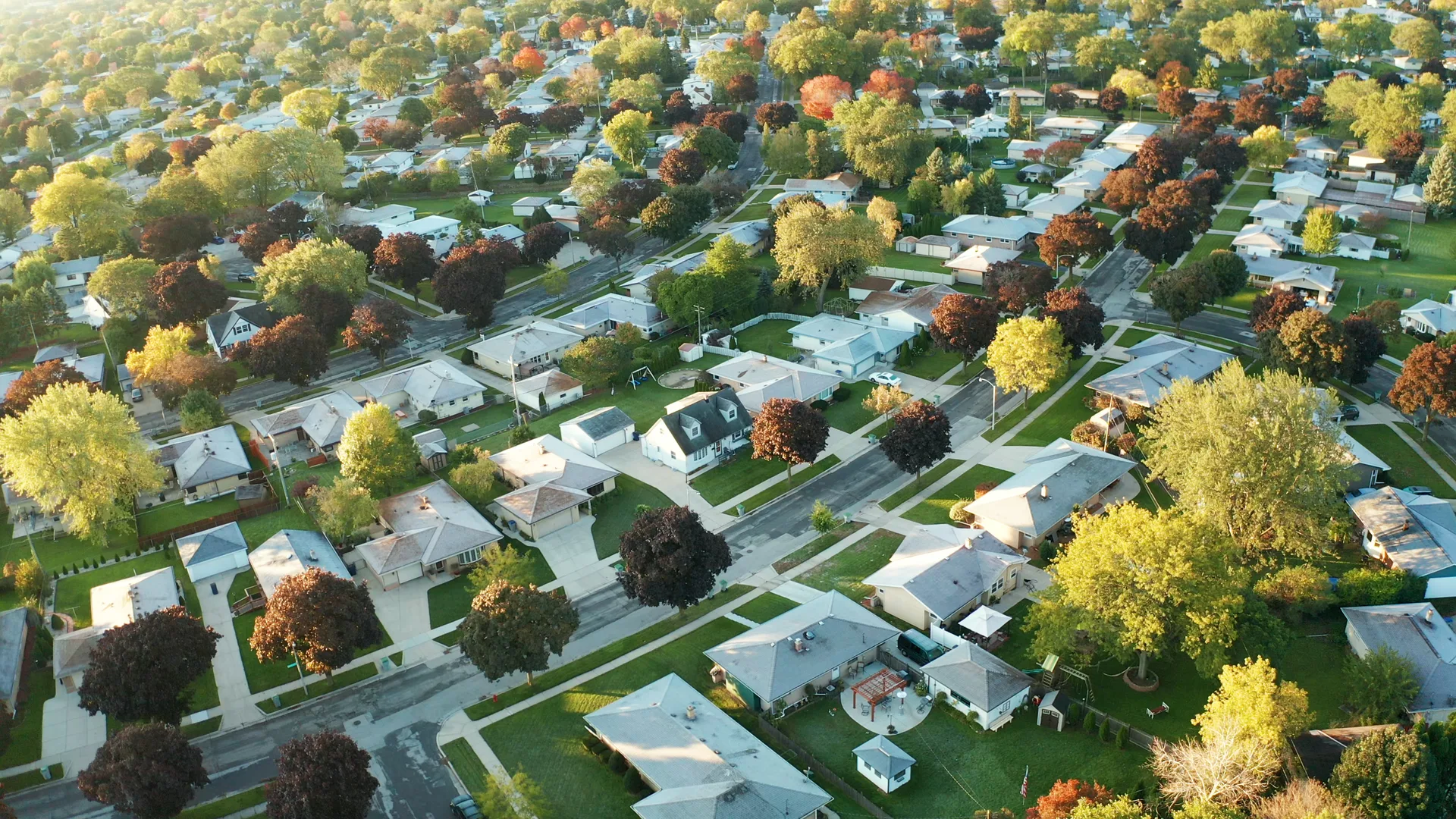
Ask a seller why they chose their listing agent and “knows the area” appears in almost every answer. Neighbourhood guides are how a website makes that claim provable before the first meeting — one page per community, carrying your local judgment alongside live inventory and current market numbers. Done well, they are simultaneously the best SEO asset an agent site can hold and the best pre-listing credential.
The search case
Hyperlocal queries — a neighbourhood name plus “homes”, “real estate”, “living in” — are the rare arena where an individual agent can beat the portals. Portals generate area pages by template at national scale; depth is precisely what they cannot afford. A guide with genuinely local editorial, current listings and computed stats is a categorically better answer to those queries, and search engines treat pages whose data refreshes as pages worth revisiting. The wider playbook — where guides sit in a local strategy, how they interlock with a Google Business Profile and city pages — is covered in our local SEO for realtors guide.
Structure matters as much as content. Guides should interlink laterally (a reader researching one west-end community should drift into your adjacent ones, not back to Google), sit in the sitemap, and carry clean structured data — plumbing the SEO page builder handles on every BrokerFold page by default.
The trust case
The second audience for a guide is not searching — they were sent. Sellers vet agents by website before replying, and a guide page is the strongest artifact you can be vetted against: it demonstrates, rather than asserts, that you know what their street trades at and who is buying there. This is where writing quality pays. The paragraphs no platform can generate — which blocks are quiet, what the renovated stock actually sells for, who the community suits — are the paragraphs that win the appointment. Five communities you can write truthfully about beat twenty thin pages in both rankings and reputation.
What a modern guide is built from
The craft standard we build to has four layers:
- Editorial — your knowledge, written once in the visual editor, in your voice.
- Live listing bands — standing queries against the board feed (community, property type, price floor), so the guide always shows real current inventory and never a sold relic.
- Computed stat bands — the market report engine embedded per community: inventory, sold activity and trend context that refresh as sales close, with sold-derived figures correctly gated.
- Lateral navigation — previous/next community links that keep a researcher inside your site.
The assembly mechanics live on the neighbourhood guides reference page; Ontario agents can see how the guide layer fits a full site structure on our Ontario realtor websites page.
The CRM dividend
Guides also qualify leads quietly. A signed-in visitor’s path through your area pages lands on their contact record, so the CRM reveals where each lead’s attention clusters rather than merely confirming a visit — two adjacent communities read in one evening is a search area declared without a form. Guide CTAs feed the same routed lead pipeline as the rest of the site, arriving attributed to the page that produced them.
One practical note on rollout: publish guides in the order your business actually runs. The community where your last three transactions closed deserves its page before the prestige neighbourhood you hope to break into — the first has proof and referral traffic behind it, the second is a long-game bet you can place afterward.
The decision, reduced: a blog post about an area decays from the day it publishes. A guide assembled from live components appreciates — the words hold, the data renews, and every year it exists it gets harder for a competitor to displace.
Frequently asked questions
Do neighbourhood guides actually rank in search?
Neighbourhood-level queries are where an individual agent can genuinely outrank portals — the big sites cover every area generically, and a page with real local depth, live inventory and current stats is exactly what those searches reward. City-head terms are a longer war; start where you can win.
How is a guide different from a city page?
Altitude and specificity. A city page addresses 'homes in Mississauga'; a guide addresses one community — its streets, stock, schools context and price reality. Guides sit under the city layer and do the convincing, because nobody hires the agent who knows 'the GTA'. They hire the one who knows their street.
What keeps a guide from going stale?
Building it from live components. On BrokerFold the listing bands are standing queries against the board feed and the stat bands recompute automatically — so the editorial you wrote holds while the data renews itself. The only maintenance is occasionally improving the words.
Keep reading
- Neighbourhood guides Community pages with live listing bands and market stats — neighbourhood guides that stay current and rank, built in the BrokerFold editor.
- Automated market reports for realtors Replace the monthly stats PDF: market reports computed from board data — medians, SNLR, months of inventory, YoY — refreshed as sales close.
- SEO page builder Build pages that rank from the BrokerFold editor — server-rendered, structured-data-ready, sitemap-automatic — or have us build them for you.
- Local SEO for realtors The two local SERPs — map pack and organic — and the profile, pages, reviews and consistency work that decides which realtors appear in them.
- Realtor websites Ontario Board coverage, sold-data rules, and advertising basics for Ontario realtor websites, plus live template examples and transparent CAD pricing.