Do neighbourhood pages rank?
The BrokerFold Team — Product + Engineering
Last reviewed
On this page
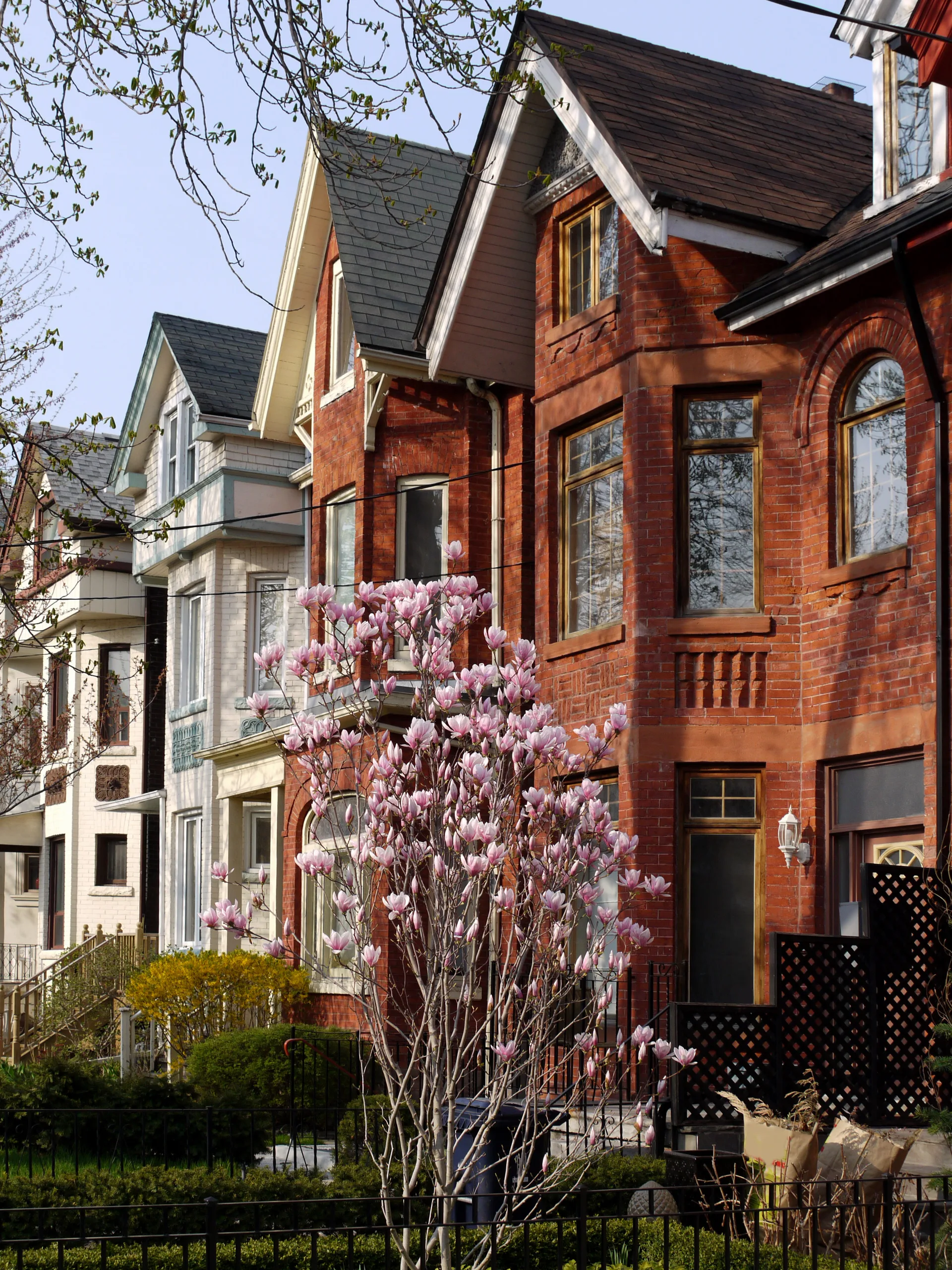
Yes — neighbourhood pages rank, and when they’re done properly they are the best-performing page type on an agent’s website. A neighbourhood page is a single page dedicated to one community: what it’s like to live there, what the housing stock is, what things cost, plus current listings. The qualifier carries all the weight, though. Substantive pages win because they answer searches the portals answer generically; thin ones fail because template-stamped area pages are exactly the scaled-content pattern search engines have spent recent updates demoting. The question isn’t whether the page type works — it’s which of those two pages you’re actually building.
Why the page type wins
Neighbourhood-level queries are the rare arena where an individual site holds a structural advantage. Portals generate community pages by template at national scale — they cannot afford depth for any single community, and it shows. An agent who works an area can publish things no template produces, and search engines reward the difference because searchers do: a page that genuinely answers “what is it like to live here” gets read, linked, and returned to. This is the long-tail thesis of whether SEO works for agents in its most concrete form — one community, one page, a query class the big sites concede by design.
Where thin pages go to die
The failure mode is familiar because half the industry sells it: thirty auto-generated area pages, each a paragraph of swappable filler above a listings widget. Google’s spam policies now name this pattern — scaled content produced primarily for rankings rather than readers — and the demotion is sitewide, not per-page. A batch of hollow area pages doesn’t just fail to rank; it lowers the ceiling for every page on the domain. If the copy would survive a find-and-replace on the community name, it will not survive contact with search results.
What “substantive” means concretely
The test is simple: does the page contain things only someone who works the area would say? Which streets sell in bidding wars and which sit; how the housing stock actually differs block to block; the school catchment nuance parents ask about; where the commute is honestly painful; what a realistic entry price looks like this year versus the detached ceiling. Add the numbers — current inventory, recent price behaviour — and the page becomes both an answer and a credential. This pairs naturally with geographic farming: the community you farm offline is the community you can write about with authority online.
Freshness is half the ranking
A neighbourhood page is a living page or it is a liability. Markets move, and a page quoting last year’s prices erodes the trust it was built to earn. The practical answer is to build guides from components that update themselves — live listing bands running as standing queries against the board feed, market stats that recompute on schedule — so the editorial you wrote holds while the data renews underneath it. That architecture is exactly what our neighbourhood guides ship: your local judgment on top, current inventory and figures underneath, nothing to manually maintain.
Where they fit in the wider system
Neighbourhood pages don’t work alone. They should interlink laterally — a reader researching one community should drift into your adjacent ones — sit under a city layer, and connect to the rest of a local search presence: a complete business profile, question content, and seller-intent pages. That wider structure is covered in local SEO for realtors. But if you build only one thing from that playbook, build the community pages. They rank, they convert sellers who want proof you know the area, and every month they exist they get harder for a competitor to displace.
Frequently asked questions
How many neighbourhood pages should I build?
As many as you can make genuinely substantive, which for most agents is five to fifteen — the communities you actually work, show in, and can write about from experience. Thirty template-stamped pages are worth less than eight real ones, and the weak pages actively drag on the strong ones: sitewide quality signals mean a domain full of thin pages teaches Google to trust none of them.
Can I write one page and swap the neighbourhood name across thirty copies?
That is precisely the scaled-content pattern search engines demote, and readers spot it even faster than crawlers do. If the page would read identically with the place name replaced, it isn't a neighbourhood page — it's a placeholder. Better to publish three communities you can write honestly about and add the next one when you can meet the same bar.
Does a neighbourhood page need live listings on it?
It needs to not be stale, and live inventory is the strongest freshness signal a real estate page can carry. A page whose listings update from the board feed gives both visitors and crawlers a reason to return, while a page with three expired listings from last spring signals abandonment. If live bands aren't possible, current market figures with a visible date are the minimum.
Keep reading
- Neighbourhood guides for realtor websites Why neighbourhood guides rank and win listings: live stat bands, current inventory, and editorial proof of local expertise on your domain.
- Local SEO for realtors The two local SERPs — map pack and organic — and the profile, pages, reviews and consistency work that decides which realtors appear in them.
- Does SEO work for real estate agents? Yes — with the right targets. You won't outrank the portals for city terms, and you don't need to: long-tail local search is winnable and converts better.
- Neighbourhood guides Community pages with live listing bands and market stats — neighbourhood guides that stay current and rank, built in the BrokerFold editor.
- What is geographic farming? Geographic farming is owning one neighbourhood's mindshare through repeated value. How to pick a farm, what it costs, and when listings follow.