What is geographic farming?
The BrokerFold Team — Product + Engineering
Last reviewed
On this page
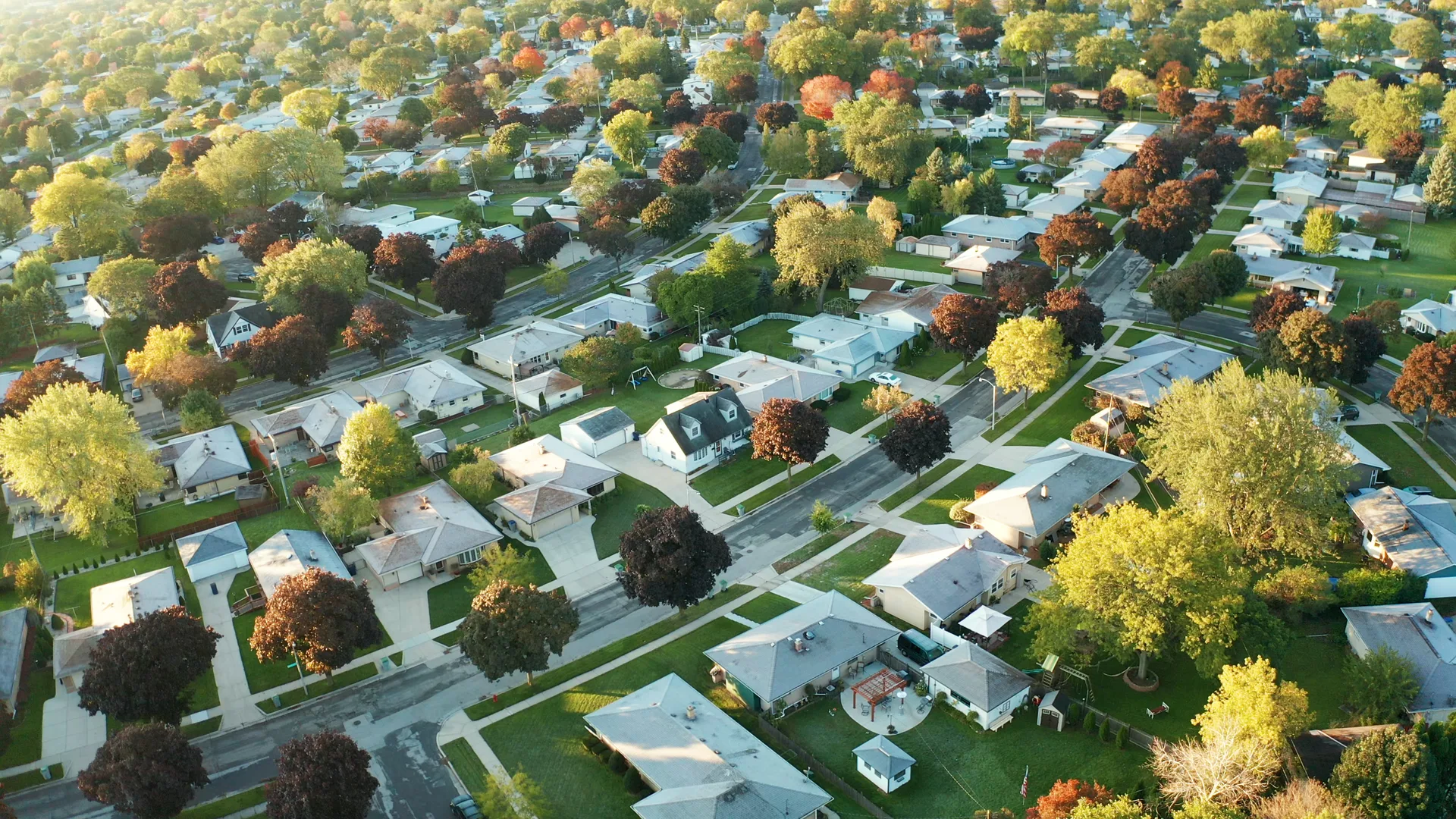
Geographic farming is the strategy of concentrating your marketing on one defined neighbourhood until you become its default agent — the name homeowners think of first when a move becomes real. The metaphor is literal: you plant repeated, useful presence in a bounded patch, tend it consistently for seasons, and harvest listings as its homes naturally turn over. It is the oldest strategy in residential real estate, and it still works for the same reason it always has — sellers overwhelmingly choose an agent they already know of, and a farm manufactures being known.
How farming actually produces business
The mechanism is mindshare compounding against turnover. Every neighbourhood sells some share of its homes each year regardless of who markets there; the farming agent’s wager is that consistent, valuable presence — market updates, community involvement, honest local expertise — wins an outsized slice of those inevitable sales. The keyword is valuable. A name on a postcard builds weak recognition; being the person whose street-level market analysis neighbours actually read builds the kind of trust that survives until listing day. Farming fails most often not because the area was wrong but because the touches carried nothing worth remembering.
Picking a farm: the three-factor test
Choose with arithmetic, not affection alone. Turnover: an area where homes rarely trade starves even a perfect campaign, so look at how many sales the neighbourhood actually produces in a year. Competition: an incumbent who has farmed the area for a decade is a moat; an area with turnover and no dominant agent is open ground. Genuine connection: you live there, sold there, or have a real affinity — because your content has to be specific to be credible, and faked local passion reads as exactly that. Score candidate areas on all three and the decision usually makes itself; a merely adequate area you can serve authentically beats a lucrative one you know from a map.
The budget and the timeline, honestly
Farming is a patience investment: plan on a year or more of consistent presence before listings attributable to the farm arrive, with costs recurring the entire time — print and postage if you mail, sponsorships, and the hours behind genuinely local content. The figure that matters is cost-to-consistency: whatever mix you choose must be sustainable every month for the whole build, because stopping resets the trust clock. This is also why farms punish impatience so reliably — the spend is front-loaded, the return is back-loaded, and quitting in month eight burns everything planted. Where farming sits against the other channels — sphere, owned, paid — is mapped in how do realtors get leads; it is a concentration strategy layered on a working practice, not a first channel for a brand-new agent.
Postcards versus digital: the wrong argument
The postcard-or-pixels debate misses how the two layers work together. Physical presence — mail, doorsteps, the sign on the lawn, the community event — builds recognition inside the boundary but expires on delivery. Digital presence compounds: a neighbourhood page that ranks, a market report homeowners subscribe to, and captured contacts in your CRM persist and appreciate. The modern farm points every physical touch at a digital asset you own, so the postcard’s job is to drive a subscription rather than to be remembered on its own. That owned-asset layer — neighbourhood pages, live stats, registration — is its own subject: geo farming online covers the stack, and BrokerFold’s neighbourhood guides and market-report pages are the machinery most of it runs on. One compliance note for the data-led version: market statistics on a public site carry board display rules — what you may publish is worth reading before the first stat goes on a page.
What a worked farm looks like in practice
A steady monthly rhythm, kept boring on purpose: a street-honest market update, one piece of genuinely local content, presence at whatever the neighbourhood actually gathers around, and a database that records every conversation the farm produces. Measure leading indicators — subscribers, page traffic, conversations, valuation requests — rather than staring at listings in month six. The farm is working when neighbours start the conversation already knowing who you are; the listings follow that, on the neighbourhood’s timetable rather than yours.
Frequently asked questions
How big should a farm area be?
Small enough to dominate, large enough to feed you. The constraint runs through budget and turnover together: you need to afford consistent presence to every household for a year or more, and the area needs enough annual sales that owning a real share of them matters. For most solo agents that lands on one neighbourhood or a few hundred homes, not a whole city quadrant.
Does door knocking still work in a farm?
Where it suits the neighbourhood and the agent, yes — a doorstep conversation is still the fastest trust-builder in the toolkit, and it sits outside the rules that govern calls and cold email. The honest caveats: it scales poorly, some communities receive it badly, and it works as one layer of a repeated-presence system rather than as the system.
Can I farm a neighbourhood another agent already dominates?
You can, but the economics are against you — their years of presence are exactly the moat you'd be paying to cross. Better to pick the adjacent area with real turnover and no incumbent, or a segment of the dominated area where you have a genuine edge: a language, a building type, a personal history there. Farming rewards being first-and-consistent far more than being second-and-better.
Keep reading
- Geo farming online Geographic farming has moved online: how neighbourhood pages, live market stats and listing alerts turn a farm area into a durable digital asset.
- Neighbourhood guides Community pages with live listing bands and market stats — neighbourhood guides that stay current and rank, built in the BrokerFold editor.
- How do realtors get leads? Ranked honestly for 2026: sphere and past clients first, then owned channels, then paid, then outbound. With the budget-and-hours matrix that decides the mix.
- Can I publish market statistics? Yes — aggregate, non-identifying stats are the compliant way to market with sold data. Individual solds need consent or a VOW; board reports follow board terms.