Real estate SEO Toronto
The BrokerFold Team — Product + Engineering
Last reviewed
On this page
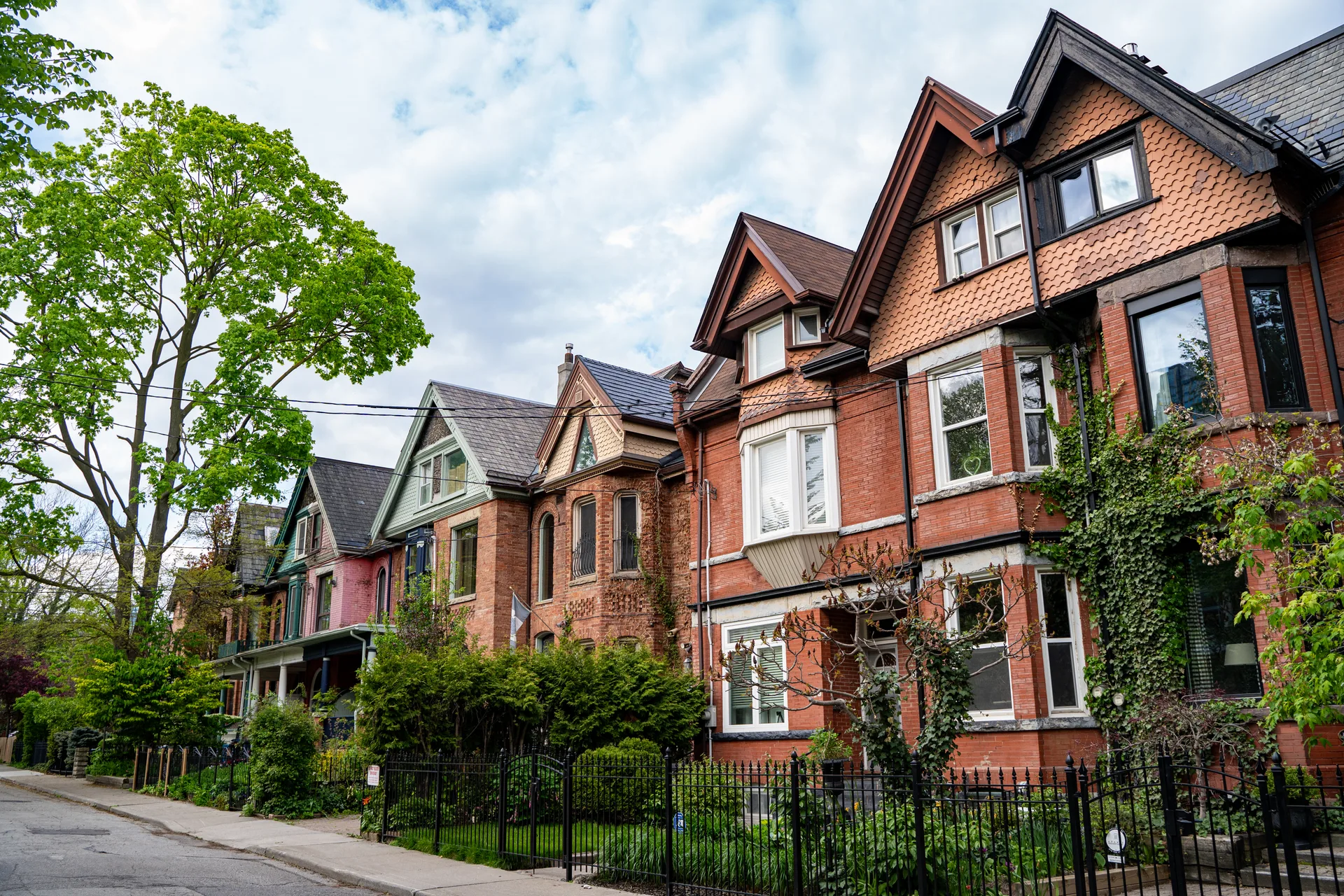
Real estate SEO in Toronto starts with an admission: the head terms are gone. Realtor.ca and the national portals hold the “homes for sale Toronto” results with authority no agent site will out-spend, and any proposal built on beating them is fiction. What remains is bigger than it looks — a long tail of neighbourhood, building, lease and question searches that the portals answer generically and a local expert can answer properly. Toronto rewards that program unusually well, because few markets in the country have this much searchable specificity per square kilometre.
Read the SERP before spending anything
Type your target searches and study who actually ranks. Head terms: portals, wall to wall. Neighbourhood terms: portals still present, but joined by local sites — evidence the door is open. Building names, school-catchment questions, “should I buy in X or Y” comparisons: thin, often outdated results, which is where opportunity reads as boredom. This ten-minute exercise, repeated for your specific farm, is a better strategy document than most paid audits, and it maps directly onto the intent taxonomy in real estate keywords.
The city’s structure is the content plan
Toronto is a city of named places — official neighbourhoods, informal pockets, and hundreds of condo buildings that function as micro-markets with their own search demand. Each real distinction is a page a portal cannot write well: what the housing stock in a pocket actually is, which streets carry the premium, what maintenance fees run in a tower and what that means for financing. The GTA’s lease-heavy inventory adds a second axis most agent sites ignore — renters search buildings and neighbourhoods too, and lease-intent pages face even thinner competition. Depth over coverage remains the law: five pockets you genuinely know beat forty spun suburbs.
Sold data: the GTA’s distinctive SEO asset
The question Toronto buyers and sellers actually type is what things sold for, and TRREB’s rules let a member site answer it — behind a compliant VOW gate, for registered visitors. BrokerFold runs this in production on a direct board feed: sold and off-market records served on agent sites, with registration walls that turn the search demand into contacts. The mechanics live on TRREB VOW websites. For SEO purposes the point is competitive: sold-focused queries carry real volume, few agents serve them properly, and the explanatory content around the gate — what can be shown, how prices moved in a pocket — ranks in its own right.
The technical bar is higher here
Competitive markets raise the tie-breaker stakes: when several local sites answer the same neighbourhood query, page experience decides. A GTA site carrying live board data has to render server-side, serve images from its own CDN, and keep listing freshness visible, or its content earns rankings its infrastructure throws away. That layer comes standard on this platform; what a Toronto agent’s site has to carry, and how the design brief follows from the market’s shape, is the subject of realtor website design in Toronto.
What a Toronto program looks like in practice
Sequence it: your own name and profile first, then your primary farm — the three to five pockets or buildings where you actually transact — built as substantive pages with live inventory, then the question and sold-data layer that pulls research traffic, then expansion outward as each layer proves itself in Search Console. Whether you build that yourself or buy it as a defined engagement — the shapes are compared on real estate SEO services — the strategy does not change: concede the head terms, own the specifics, and let the portal keep the tourists.
Frequently asked questions
Can I rank for 'Toronto real estate' or 'homes for sale Toronto'?
Realistically, no. Those results are held by realtor.ca and the large national portals, whose domain authority an individual agent cannot out-invest. Treat that as fixed terrain rather than a failure of effort, and aim the program at the thousands of specific searches beneath the head terms, where a genuine local expert wins on substance.
Do condo building pages actually rank?
They are among the most winnable pages in the city. Buyers and tenants search specific buildings by name and address, the portals answer those queries generically, and an agent who writes what the portal cannot — maintenance-fee reality, layouts worth having, how units in the building actually trade — competes on the merits. Volume per building is small; across a farm of buildings it adds up.
Does sold-price content help a Toronto site rank?
Yes, on two levels. Sold-price questions carry heavy search volume in the GTA, and few agent sites answer them compliantly, so properly gated sold content plus honest explanatory pages face thin competition. The registrations the VOW gate produces are the second level: the traffic converts into contacts, which is the point of ranking at all.
Keep reading
- Realtor Website Design in Toronto What a Toronto realtor's website has to do: carry 26,000+ active TRREB listings, search half-lease inventory properly, and gate sold data the HouseSigma way.
- TRREB VOW website A TRREB VOW website shows GTA sold prices and off-market history to registered visitors. What the TRREB VOW feed contains and how BrokerFold serves it.
- Real estate keywords The five intent classes behind realtor search terms, the Canadian-specific classes most lists miss, and how keywords map to page types.
- Real estate SEO services What real estate SEO services actually include, how retainers differ from page builds, and how BrokerFold's one-time SEO packages work.