Website launch: community pages that actually rank
The BrokerFold Team — Product + Engineering
Last reviewed
On this page
Community pages are where a new agent site earns search traffic, because “homes for sale in [neighbourhood]” is what buyers actually type — and most agents either skip these pages or fill them with filler no local would recognize. The short answer to whether they work is yes, when they are substantial; the evidence is here. This lesson is the how.
Pick the communities you can testify about
List the neighbourhoods where you have actually shown homes, sold homes, or lived. Cut the list to the five to eight you would be comfortable being cross-examined on. Resist the temptation to cover the whole city — a page about an area you barely know reads exactly like a page about an area the writer barely knows, to the one audience that can tell: people who live there.
Write what only a local knows
Each page needs the things a search engine cannot find in a database and a buyer cannot get from a portal. Aim for four kinds of substance:
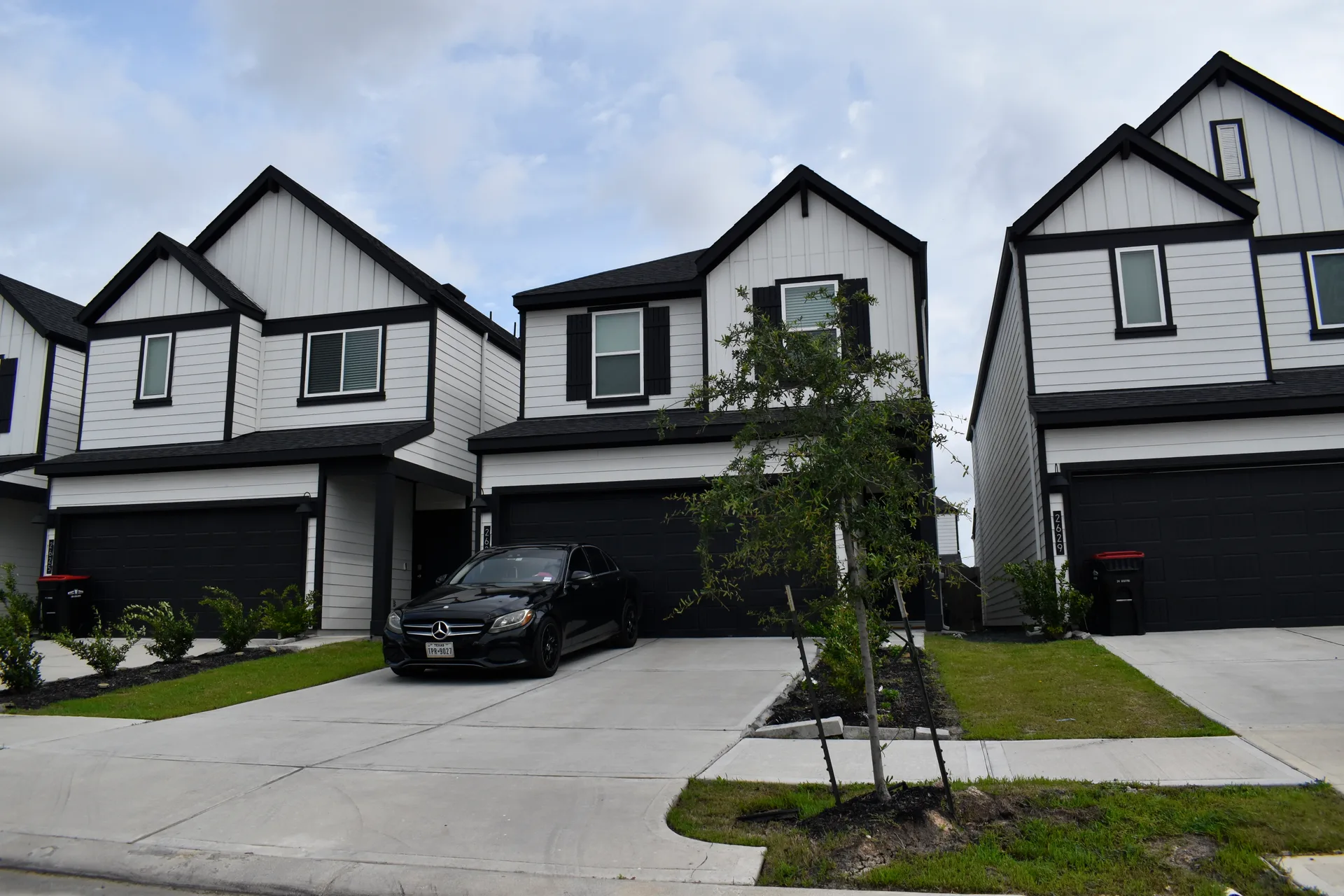
- The character of the housing stock. Post-war bungalows on wide lots, or glass condos over transit, or century homes with knob-tube surprises — say what actually stands on the streets.
- Who the area fits. The honest match: first-time buyers priced out of the core, downsizers who want walkability, families organized around a catchment.
- The daily-life texture. Where the commute really goes, what the main street is like at 9 a.m., what locals complain about. One true local grievance is worth three paragraphs of praise.
- The trade-offs. Every neighbourhood has them. Naming them is what separates an advisor’s page from a brochure.
Write in your own voice and keep every number qualitative unless you can defend it — “detached prices run well above the city median” ages gracefully; a specific figure typed today is wrong by spring.
Plug the listings in
This is where the page becomes more than an essay: add a listings band filtered to the community, so the page shows what is actually for sale there right now — live inventory once your board connection is approved. A community page with current listings underneath it is self-updating proof that you work the area. The neighbourhood guides feature covers what the platform assembles around your writing.
What done looks like
Five to eight published pages, each one passing a simple test: a resident of that neighbourhood could read it and nod. Each page linked from your navigation or homepage, each with a listings band and a contact path. Interlink neighbours — the Riverdale page should mention Leslieville where a buyer would genuinely consider both.
The mistake that costs the most
Generating twenty thin pages at once. Search engines are good at recognizing a template with the neighbourhood name swapped, and a directory of hollow pages can drag down trust in the pages you wrote well. Depth on eight beats breadth on forty — and if you want the larger strategy around it, local SEO for realtors is the next read.
Frequently asked questions
How many community pages should I launch with?
Five to eight, covering the areas you genuinely work. That is enough to signal local depth without thinning the writing. Add more one at a time as you can write each to the same standard.
How long until these pages rank?
Months, not weeks — local content compounds slowly, and competitive city-level terms take longer than specific community terms. That slowness is the argument for writing them at launch: the clock only starts when the page exists.
Keep reading
- Website launch: write a homepage that says one thing A homepage that tries to say five things says nothing. The one-message structure, and how to build it in the editor.
- Website launch: connect your MLS board The paperwork-to-live-listings walkthrough: vendor details, Schedule B, the broker signature, and what your site shows while you wait.
- Do neighbourhood pages rank? Substantive neighbourhood pages are the strongest SEO surface on an agent site. Thin, template-stamped ones are the exact pattern Google now demotes.
- Neighbourhood guides Community pages with live listing bands and market stats — neighbourhood guides that stay current and rank, built in the BrokerFold editor.
- Local SEO for realtors The two local SERPs — map pack and organic — and the profile, pages, reviews and consistency work that decides which realtors appear in them.