Realtor Website Design in Victoria, BC
The BrokerFold Team — Product + Engineering
Last reviewed
Victoria gets mistaken for a smaller Vancouver by exactly the people who have never sold a house in either. It is an island capital with its own board, its own buyer mix — government, navy, universities, and a deep bench of retirees cashing out of bigger markets — and a geography that rations land more tightly than almost anywhere in the country. A realtor website here has to speak island, and it has to work hardest for the buyer who is not on the island yet.
The relocator is your highest-intent visitor
A large share of Victoria demand arrives from somewhere else: the Lower Mainland equity mover, the prairie retiree, the remote worker choosing ocean over office. Those buyers cannot pop by an open house; they shortlist neighbourhoods, agents and often the exact street from a screen, then fly in for a weekend to confirm what the internet told them. Your site is that internet. Pages that answer what a remote buyer cannot see — what James Bay sounds like versus what Langford costs, how a heritage designation changes a renovation, what ferry dependence really means for a mainland commute — do the work of ten showings before the first coffee. Capture has to respect the same distance: a remote buyer’s timeline runs in months, so registration should buy them something durable — saved favourites, alerts tuned to their shortlist, notes that are still arriving when the confirmation trip finally gets booked. The practice still present in their inbox at month eight is usually the one that writes the offer.
Two Victorias, one site
The core and the Westshore are different markets wearing the same postal abbreviation. Downtown and the old streetcar suburbs trade character houses and a dense condo core at capital-city prices; the Westshore builds the new family stock and prices the way in. A credible site refuses to flatten that: separate community pages with separate voices, strata literacy for a market where a big share of inventory is strata-titled, and content that treats a 1912 Fairfield foursquare and a new Langford walkout as the genuinely different purchases they are. That grain of local honesty is what a strong BC realtor site is built on, island or mainland.
An island board, and what we do about it
Here is the part most vendors fudge: Victoria’s MLS runs through the Victoria Real Estate Board, and VREB is not part of the Lower Mainland’s shared tri-board system. Our data plane speaks that mainland system natively and runs Canada’s largest board in production — but we do not have a live VREB feed, and this page will not imply otherwise. Board integrations are expanding; island coverage is on that path. The national CREA DDF offers a partial opt-in pool in the interim, with the gaps that opt-in implies. What runs in Victoria at full strength today is everything around the feed: the site itself, the CRM and lead routing, Google Ads, SEO, and the registration machinery that — once board data is live — serves sold data the compliant way described in VOW websites in Canada.
Design for a market sold on setting
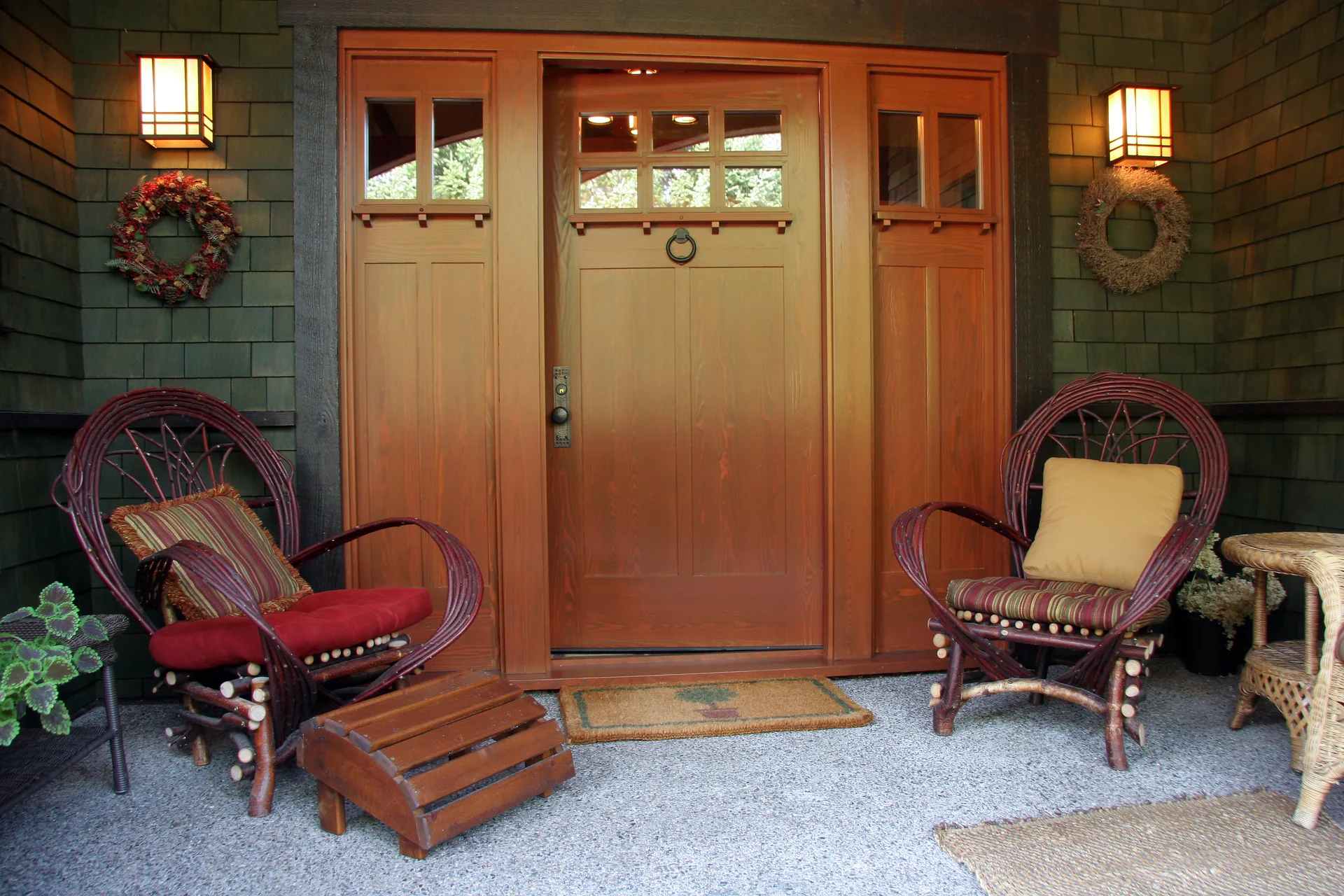
Victoria is bought with the eyes: gardens, shoreline, porch light on a February evening that Toronto cannot offer. We would start most practices here on a photographic template that lets imagery lead and keeps the interface quiet, with community pages promoted to primary navigation rather than buried in a footer. Every template runs as a working demo site, with plan pricing posted in CAD at pricing — the whole practice layer on one bill, with the honest caveat above about where the island’s listing data stands.
Frequently asked questions
You built for the Vancouver boards — does that cover Victoria?
No, and we will not blur that line. Victoria runs on its own board with its own MLS system, separate from the Lower Mainland's shared tri-board feed. Our BC data plane speaks that mainland system natively, which proves the architecture, but a Victoria feed is an expansion step we have not shipped — websites, CRM, capture, ads and SEO all run here today.
Can my Victoria site show sold prices?
Sold data in Canada serves behind a VOW gate — visitor registration, terms acceptance and expiring passwords — under the local board's rules, never on the open web. That machinery is core to how we build; on any board it operates under that board's own VOW terms once the feed itself is live.
Most of my buyers come from the mainland or the prairies. What matters most?
Community pages that carry the whole island decision: core versus Westshore trade-offs, heritage-house realities, strata nuances, and honest ferry-and-flight logistics. A relocating buyer shortlists from a screen — your site is the viewing they cannot attend.
Keep reading
- Realtor websites BC Board coverage, BC's VOW-only sold-data rules, and the compliance chrome a BC realtor website carries by default — plus live templates and CAD pricing.
- VOW websites Canada VOW rules in Canada are set board by board: registration, terms of use, expiring passwords. What changes across boards and how to evaluate a VOW provider.
- CREA DDF CREA's Data Distribution Facility is the national feed that syndicates REALTOR.ca listings to member and third-party sites. What it carries and what it doesn't.
- Template gallery Eight complete websites, every one a browsable live demo.
- Plans & pricing Published prices in Canadian dollars — from $89/month, $0 setup.