Realtor Website Design in Niagara Falls
The BrokerFold Team — Product + Engineering
Last reviewed
On this page
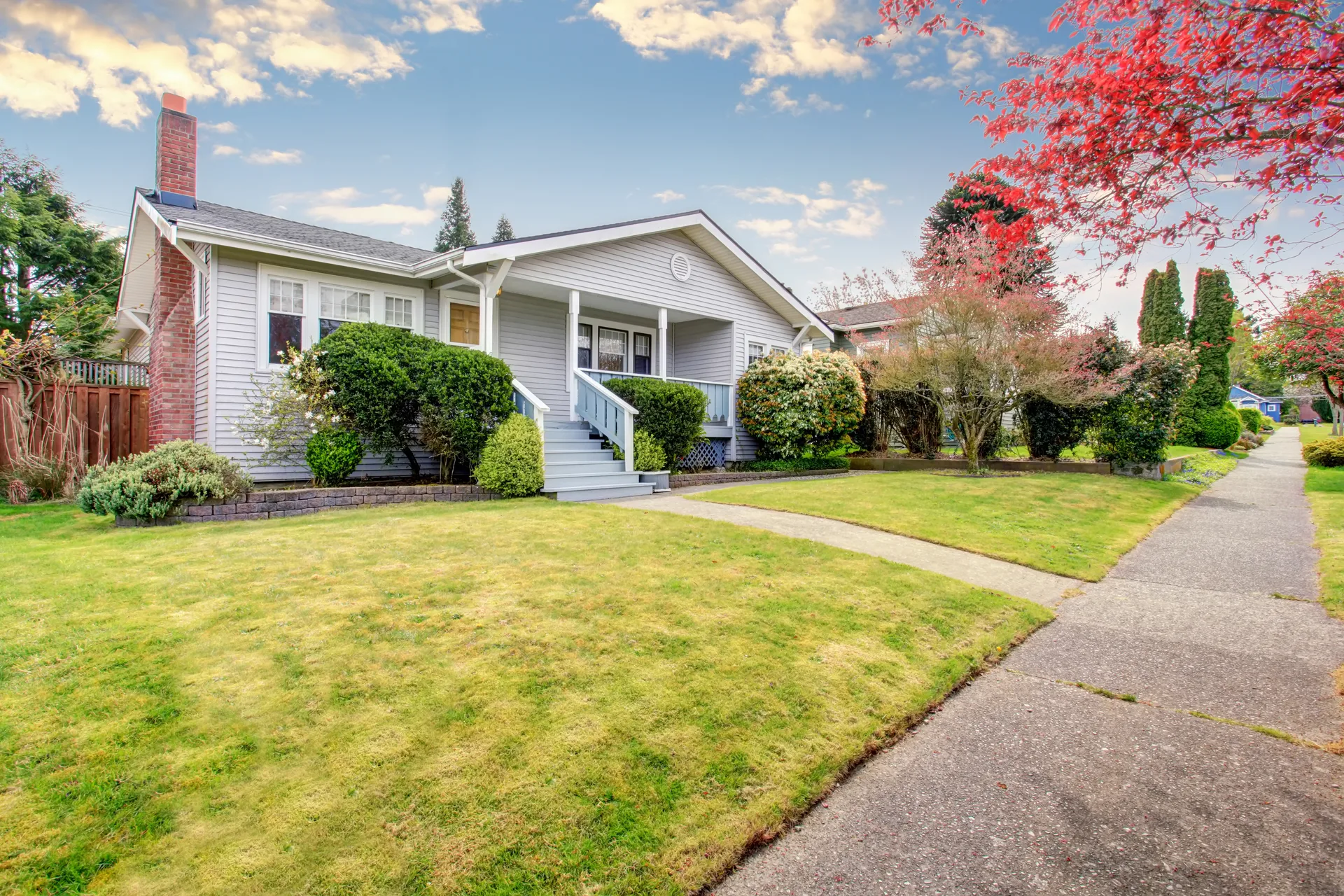
Everyone on earth knows Niagara Falls; almost none of your buyers know the city. The visitor’s town — Clifton Hill, the casinos, the mist — sits a few blocks from a resident’s city of postwar bungalows, quiet north-end streets and new subdivisions pushing toward the QEW, at prices that read like a typo to anyone arriving from Toronto. That gap is the design brief. A realtor website here introduces the livable city to people who only know the postcard, and does it credibly enough that they drive down.
Translate the postcard into neighbourhoods
The migration buyer — GTA equity, remote-flexible work, a retirement plan that stretches further here — shortlists online long before visiting. Neighbourhood pages carry that load: which streets hear the tourist district and which never do, where the newer builds cluster, what the school and commute picture looks like, how close the border crossing actually is for a Buffalo-flight traveller. Write it like you would say it in the car. Generic city copy is fatal in a market whose reputation is the exact thing you need to reframe.
Listing pages carry the same burden. A buyer weighing a north-end bungalow wants to know how far the fireworks carry on a summer night and whether the street parking fills with visitors in July — answer it on the page, honestly, before they have to ask. The agents who acknowledge tourist adjacency plainly are the ones a skeptical out-of-town buyer decides to trust, and trust is the scarce commodity in a market people think they already know.
Patience is a feature, not a bug
This market gives buyers time — homes here sit noticeably longer than anything in the GTA, with days-on-market running around seven weeks as of mid-2026 — and long-consideration markets reward websites built for the return visit. Saved searches, price-drop alerts and a gated sold-history archive turn a first anonymous session into a monthly habit. The sold data matters doubly here: a value-migration decision is argued with closed sales, and serving them compliantly behind a VOW wall on your own domain is both the honest answer and your best capture mechanism.
Real estate lead generation in Niagara Falls
Capture in this market is about distance. The lead is an hour or more away, cannot attend your open house, and is comparing three cities at once — so alert subscriptions, valuation requests from eventual GTA sellers, and sold-data registrations are the realistic entry points. What happens next decides the business: BrokerFold routes each new lead to a seat with claim rules, logs every return visit and listing view on the contact’s timeline, and runs nurture plans tuned for months-long consideration. When a quiet lead starts opening Chippawa listings three times a week, you see it — that is the phone call, made at the right moment.
The machinery, stated honestly
Niagara’s own association operates within the shared ITSO regional system; the feed our sites run on today is TRREB’s, which the GTA-driven cross-posting in this corridor also reaches — about 1,100 active Niagara Falls listings sat in our mirror as of mid-2026. Every listing publishes only when details, geocoding and photos are complete, with photos delivered from our own CDN under the board’s display rules. How a compliant feed reaches your own domain is explained at what is an IDX website, and the TRREB specifics at TRREB IDX websites. One practice here rarely stops at the city line, either — the Niagara Region page covers running St. Catharines, Welland and Fort Erie from the same site.
Start point and price
We would open a migration-focused practice on a photographic template with strong area storytelling, and an investor-leaning book on a data-forward design where per-month search and sold history sit up front. Templates are browsable as working demos at templates; the plan prices sit in the open, in Canadian dollars, at pricing, with a 14-day trial and no credit card.
Frequently asked questions
Do GTA buyers take Niagara Falls seriously as a place to live?
Increasingly, and that is the website's core audience: households trading GTA prices for a detached home at a fraction of the cost, within reach of the QEW and the border. They know the tourist city and nothing else — your neighbourhood pages have to introduce the real one.
Is there an investor angle a website should serve?
Yes, carefully. A meaningful slice of local inventory trades to investors, and rental demand from the hospitality workforce is steady. Serve that lane with honest per-month search and investor pages, and be plain that short-term rental rules are municipal and change — point readers to the city, not to guesses.
Can my site show sold prices for Niagara Falls homes?
Behind a VOW registration gate, yes: account, terms acceptance, expiring password, and sold data on your own domain for signed-in visitors. For a value-driven migration market, that gate is the single strongest reason a visitor registers.
Keep reading
- Realtor Website Design in Niagara Region What a Niagara Region realtor website needs: twelve municipalities on one feed, patient-market nurture, and honest value storytelling.
- TRREB IDX website A TRREB IDX website with the board's live feed: 15-minute sync via RESO Web API, photos on our own CDN, and listings that publish only when complete.
- What is an IDX website? IDX (Internet Data Exchange) lets a Canadian agent show their MLS board's active listings on their own website. How it works, what it shows, and what to check.
- Template gallery Eight complete websites, every one a browsable live demo.
- Plans & pricing Published prices in Canadian dollars — from $89/month, $0 setup.