Realtor Website Design in Huntsville
The BrokerFold Team — Product + Engineering
Last reviewed
On this page
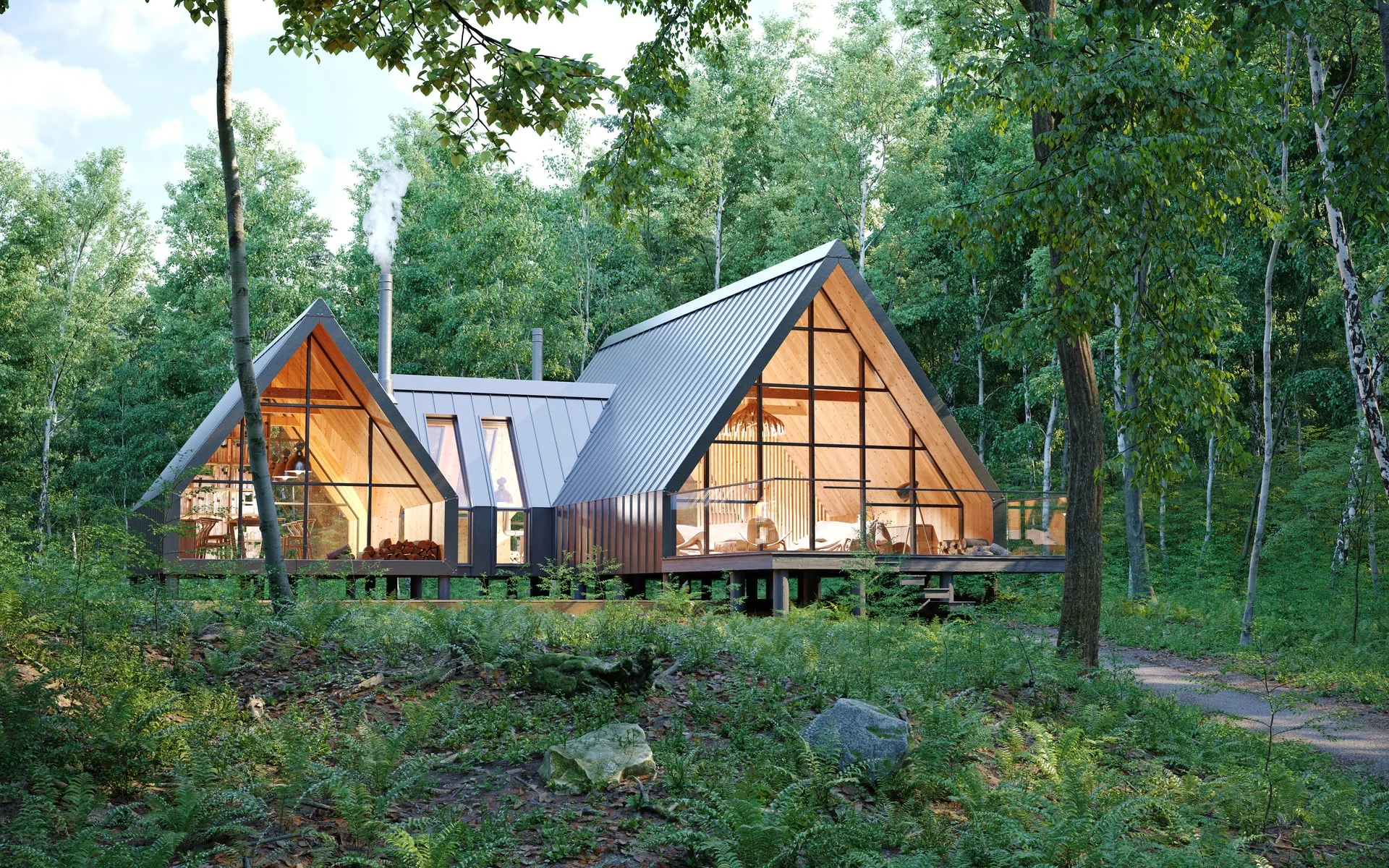
Huntsville carried about 499 active TRREB listings as of mid-2026 — 464 for sale against just 35 leases — with a median ask near $699,900 and a median 47 days on market. It is Muskoka’s largest town and its most complete one: a real main street, a hospital, a working year-round economy, the western gateway to Algonquin Park, and a chain of lakes threading through it all. That makes the realtor’s job here double-sided — a town practice and a waterfront practice at once — and the website has to carry both sides credibly.
The waterfront buyer is remote, patient and literate
Cottage and waterfront demand comes down Highway 11 from the GTA, and it researches hard: often more than a year of browsing before an offer, almost all of it on a screen. What converts that buyer is published knowledge — lake pages that explain Fairy versus Vernon versus Mary versus Peninsula in terms of access, boating and winter reality; plain answers on septic, shoreline and four-season conversion; photography that sells water and trees rather than countertops. The practice that writes what it knows becomes the practice remote buyers trust, and no portal can localize at that depth. The wider playbook for this kind of market is written up for cottage-country agents.
The town market keeps the lights on
Huntsville is not only cottages. Families, retirees and the town’s own workforce trade in-town homes year-round, on faster timelines and tighter budgets than the waterfront lane. The site should give this market its own clean search and its own honest content — neighbourhoods, schools, what living here in February is actually like — because the town lane produces steady transactions while the waterfront lane produces large ones. A 93% sale market with thin rental inventory also means the site’s job is buyer-and-seller conversion, not rental traffic.
Sellers read these pages too. A cottage owner deciding who lists a Vernon Lake property is judging exactly one thing: which agent’s website will present it best to the remote buyers who set prices here. Strong lake pages and clean listing presentation are a listing pitch that runs all year without being asked.
Sold data answers the northern pricing question
Nothing confuses an out-of-town buyer like lake-country pricing — why one shoreline clears $400,000 more than another, what a winterized cottage is really worth. Closed sales are the answer, and serving them compliantly means a registered VOW gate on your own domain, under the framework summarized in show sold prices in Ontario. The registration wall is also the practice’s best capture: the visitor asking for sold history is the one doing real math.
Real estate lead generation in Huntsville
Lead generation here is a memory business. Registrations arrive year-round — spiking with summer visitors — but transactions land seasons later, and the win goes to the practice whose follow-up survives the gap. BrokerFold routes every capture to a seat, keeps the full behaviour timeline on each contact, and runs long-arc nurture plans, so the browser who saved three Peninsula Lake searches in August and went quiet surfaces the moment their activity resumes in March. In a market of hundreds of patient watchers, knowing which five warmed up this week is the entire game.
Templates and price
We would start a Huntsville practice on a photographic, editorial template — imagery first, lake and neighbourhood guides one click deep, map search up front. Search a live demo of any template before you commit. Rates are published in CAD on the pricing page; one subscription buys the site, the data feed, the sold-data gate and the CRM together, with two free weeks up front and no card taken. Neighbouring markets run on their own pages — Bracebridge down the highway and Orillia at the southern gate.
Frequently asked questions
Is a Huntsville realtor website for locals or for Toronto?
Both, and the site should say so. Waterfront and recreational property is bought overwhelmingly by GTA households researching remotely for a year or more; the town's own market — families, retirees, workers at the hospital and in tourism — trades year-round on local terms. A good site runs both lanes without letting either feel like the afterthought.
What does lake-by-lake content actually mean?
Pages that treat Fairy, Vernon, Mary and Peninsula lakes as different purchases — access, boating, winter road reality, what waterfront ownership involves on each. A remote buyer cannot resolve those questions from photos, and the agent who answers them in public earns the enquiry.
How did the market look in mid-2026?
Roughly 499 active TRREB listings, 93% of them for sale, a median ask near $699,900 and a median 47 days on market — a patient, sale-dominated market where follow-up machinery matters more than raw traffic.
Keep reading
- Cottage-country agents Websites for rural and cottage-country Ontario agents: map-led search, lake and township guides, long-distance buyers, and the board coverage truth.
- Show sold prices Ontario Ontario agents can show sold prices on their own website through a VOW: registered visitors, terms acceptance, gated display. The steps, start to finish.
- Template gallery Eight complete websites, every one a browsable live demo.
- Plans & pricing Published prices in Canadian dollars — from $89/month, $0 setup.