Cottage-country agents
The BrokerFold Team — Product + Engineering
Last reviewed
On this page
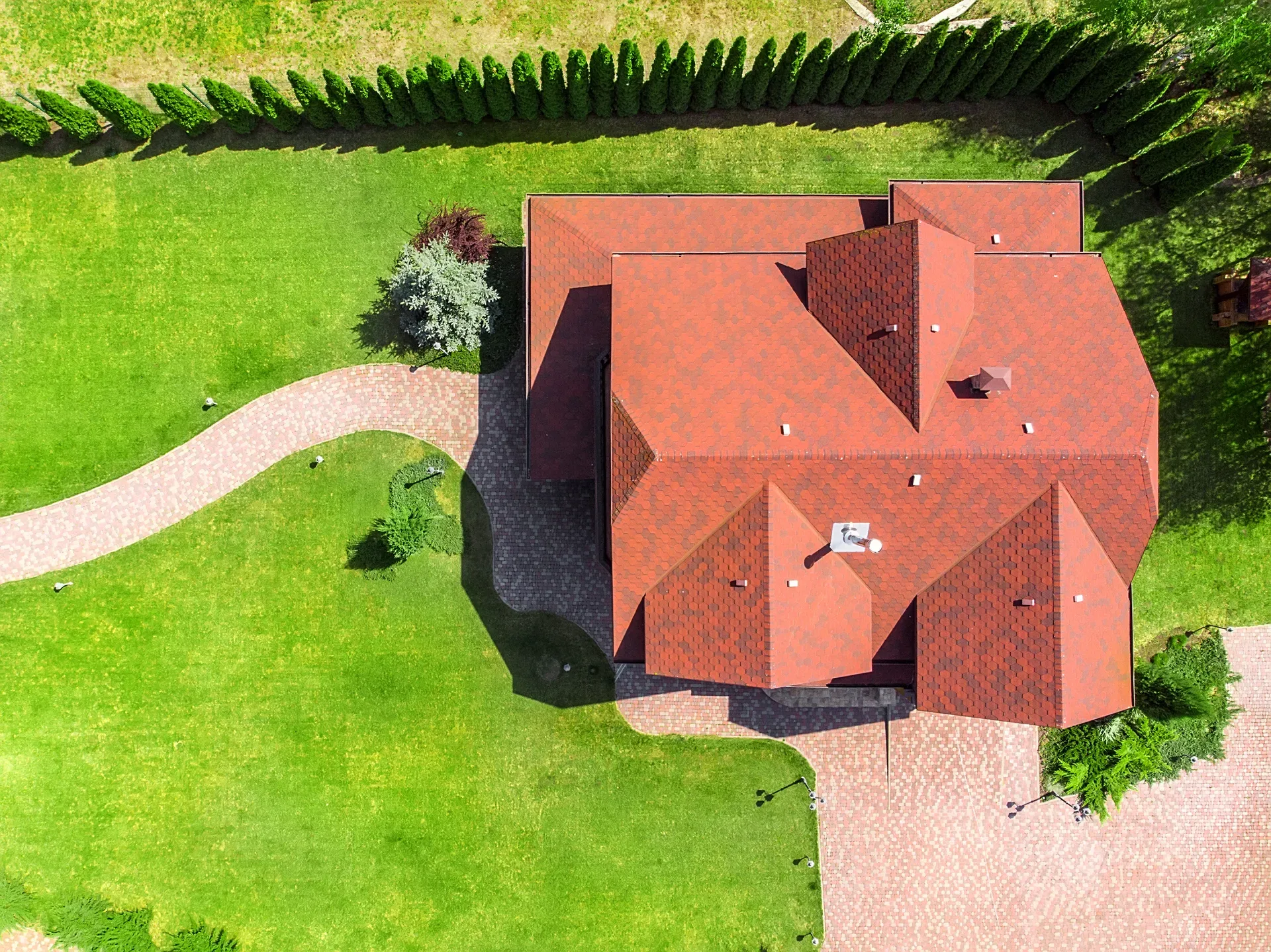
Cottage country runs on a different clock. Inventory is scarce and seasonal, every lake is its own market, and the buyers mostly live somewhere else — city households shopping by phone from two or three hours south. A website built for a downtown condo farm serves this practice badly, and most platform marketing simply pretends the differences away. Here is what actually matters for a rural or waterfront Ontario practice, including the part vendors usually mumble: which board data we can serve you today.
The board truth, stated first
Much of Muskoka, the Kawarthas, Haliburton, and the broader rural belt lists through ITSO — the shared regional MLS® system serving many Ontario associations outside Toronto — while the southern edge of cottage country overlaps TRREB territory. On our platform, TRREB is in production today. Our ITSO integration is built on the same ingest plumbing and is awaiting activation: we will give you a dated, honest status when you ask, and we will not claim it live before it is. Whether one site may display more than one board’s inventory has rules of its own, covered at displaying listings from multiple boards; the licensing mechanics behind any of it are explained at what is an MLS data licence. If a competing vendor is vague about exactly this question, be vague about signing.
Maps, because lakes are not neighbourhoods
Urban search runs on named areas; cottage search runs on geography. Buyers want the north shore of one lake and not the highway side of another — intentions no dropdown expresses and a map expresses in one gesture. That is why a map-led search surface, with clustering that stays honest at wide zoom, is the single most important product feature for this niche. It is also why generic provincial platforms feel wrong up here: the interface grammar of the city — commute filters, neighbourhood chips — is noise against a shoreline.
Authored area pages: the lake is the keyword
The search behaviour of cottage buyers is stubbornly specific — a lake name, a township, “waterfront” plus a region — and almost nobody competes for it well. This is where the visual editor earns its place: pages you author for each lake and township you genuinely work, carrying what only a local knows — water character, road access in March, township short-term-rental temperament — with live inventory beneath. The wider Ontario playbook for pairing authored area content with listing data is at realtor websites Ontario; in cottage country it works harder, because the content is scarcer and the local knowledge premium is real. Ten honest lake pages are a moat a city competitor cannot fake.
The long-distance buyer is a CRM shape
A cottage purchase is a slow, seasonal, emotional project — shopped in winter evenings, visited on summer Saturdays, often abandoned for a year and resumed. Serving it means machinery: saved-search alerts so the scarce right listing reaches the buyer the day it appears; instant response, because the inquiry sent from a Toronto condo on Tuesday night is answered by whoever replies first; and long-cycle nurture that keeps the file warm through the off-season without you drafting a single email at the cottage closing you are actually attending. Behaviour timelines add the tell that matters here: the “dormant” buyer who quietly returns to the same shoreline listings in February is your March appointment.
Seasonality is a feature, not a bug
The practice compresses into a listing season and a long shoulder. The website’s job changes with it: in season, capture and speed; off season, the nurture machine and your area pages do the compounding work — rankings do not hibernate. Agents who treat November to March as website-building months enter spring with the moat already dug.
Who this fits today, honestly
TRREB-member agents working the commuter and near-north belt — the Barrie-area profile is the southern gate of exactly this market — are fully served now. ITSO-territory practices should hold us to the standard this page sets: a dated status answer, not a hedge, before you commit. The rest of the fit is universal to the niche — map-led search, authored lake pages, alerts on scarce inventory, and follow-up built for buyers who live far away and decide slowly.
Frequently asked questions
Which MLS system covers Ontario cottage country?
Much of rural and cottage-country Ontario lists through ITSO, the shared regional MLS® system serving many boards outside the GTA, while parts of the commuter belt trade on TRREB. Coverage depends on your association membership — tell us your board and you will get a dated, specific answer about what we can serve today.
Is BrokerFold's ITSO integration live?
Built, not yet live. TRREB runs in production today; our ITSO integration is wired through the same ingest plumbing and is awaiting activation, and we will not sell it as live before it is. If your practice depends on ITSO data, ask us for current status before you sign anything — with us or anyone.
Why does map search matter more in rural markets?
Because rural inventory is organized by geography, not neighbourhood names. Cottage buyers think in lakes, shorelines, and townships — shapes a filter dropdown cannot express and a map expresses instantly. A map-led site matches how these buyers actually search.
How do I serve buyers who live three hours away?
Most cottage buyers are urban households shopping remotely between visits. Saved-search alerts on scarce inventory, thorough photography, and fast follow-up do the work distance used to: by the time the buyer drives up on Saturday, the shortlist happened on your website during the week.
Keep reading
- Realtor websites Ontario Board coverage, sold-data rules, and advertising basics for Ontario realtor websites, plus live template examples and transparent CAD pricing.
- Can I display listings from multiple boards? Yes — with a separate data agreement per board and a platform that can merge feeds. The hard parts are per-board display rules and cross-listed duplicates.
- Realtor Website Design in Barrie Barrie's brief for a realtor website: serve the buyer driving north on the 400, present waterfront honestly, and work all four seasons.
- Lead nurturing How real estate agents stay present through the long middle of a lead's journey — cadence, content that doesn't rot, consent, and the human handoff.
- MLS data licence An MLS data licence is the agreement that puts board listings on your website: what IDX, VOW, and back-office licences permit, and who signs.