Realtor Website Design in Cambridge
The BrokerFold Team — Product + Engineering
Last reviewed
On this page
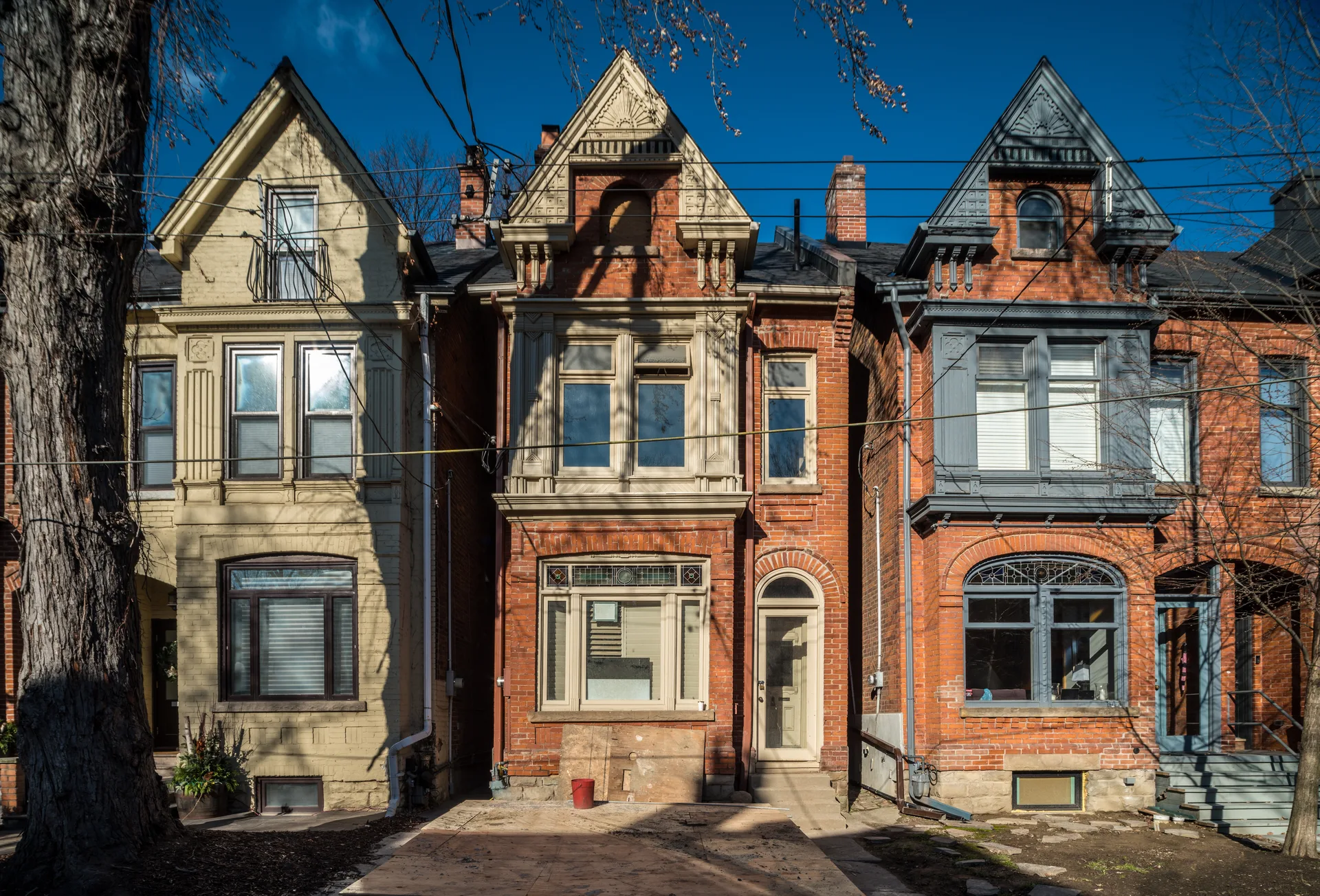
Cambridge is the corridor’s value story told across three historic grids. Galt’s stone core along the Grand, Preston’s main-street blocks, Hespeler’s mill village — each was its own town, each still behaves like one, and around them spread the subdivisions absorbing buyers priced out of Kitchener-Waterloo and the GTA. A realtor website that treats all of this as a single alphabetical list is ignoring how every buyer here actually thinks.
Three towns, one feed
The first design decision is structural: neighbourhood pages with real identity, not a token dropdown. The Galt buyer wants the century streetscape and walks to the river; the Hespeler buyer wants the newer build and the quick 401 ramp; the Preston buyer sits somewhere between. Pages that speak each pocket’s language — stock, price band, commute truth — rank for the searches that matter and convert visitors a generic city page loses. The underlying listing data comes from one place; the craft is in the cut.
Heritage stock deserves better than thumbnails
Cambridge’s differentiator is fabric: granite and limestone, brick Victorians, converted mills. Presentation is where most agent websites throw that advantage away, cropping hundred-year-old facades into the same card as a stucco flip. The design answer is gallery-led detail pages, large imagery, and layouts that let character stock look like itself. For a practice building a heritage niche, the website is the portfolio — and the feed mechanics behind it, photos mirrored and served properly, are explained in what is an IDX website.
Built for the arriving buyer
Much of Cambridge’s demand starts as a search from somewhere more expensive. Those buyers arrive price-anchored and comparison-ready: they know what the same budget buys in Kitchener, Milton, or Mississauga, and they respond to sites that answer honestly rather than sell hard. Commute context belongs on the listing page — the 401 and the 8 in real terms, transit as it stands, not as promised. Saved searches and alerts matter doubly, because the arriving buyer cannot drive past a new sign; your site is how they find out.
The subdivision belt wants different tools
Around the historic cores, Cambridge’s growth happens in phases of new construction, and that stock asks the website for something heritage listings never do: precision at the spec level. Buyers comparing new builds want square footage, lot dimensions, garage count and closing timelines lined up cleanly, and they want an alert the morning a new release or a price adjustment lands. The same visitors are often cross-shopping resale in the older neighbourhoods, so the site has to move between the two modes without feeling like two products. Getting both right on one domain is the quiet advantage: most local agent sites do one mode adequately and abandon the other entirely.
What a Cambridge realtor site needs
- A direct, minutes-fresh board feed with photos on our own CDN and listings gated until complete — details at TRREB IDX websites.
- Neighbourhood grain across the three cores plus the newer subdivision belt.
- Registration walls with substance: gated sold data, precise alerts, a valuation path for the owner watching their street rise.
- Capture wired into follow-up — the other half of the machine is lead generation in Cambridge.
Coverage and cost, plainly
Local inventory also runs through the region’s ITSO-linked MLS; the feed our sites serve today is TRREB’s, which carries the cross-listed share. Listings publish only once details, geocoding and photography are complete. On templates, we would start a heritage practice on an editorial photographic design and a subdivision practice on a map-led one — every template runs as a fully searchable live demo, and Canadian-dollar plans are published at pricing.
Frequently asked questions
Why does Cambridge need neighbourhood-level pages?
Because Galt, Preston and Hespeler were separate towns within living memory and still shop like it. A buyer set on a Galt century street will not treat a Hespeler subdivision as interchangeable. City-wide search grids flatten exactly the distinction locals care about most.
How should heritage homes be presented online?
With real galleries and room to breathe. Stone and century brick photograph beautifully in a full-width layout and badly in a cropped thumbnail grid. If heritage stock is your niche, your listing-page design is part of the pitch.
Is Cambridge still a value market?
Relative to its neighbours, broadly yes — much of its demand is households arriving from Kitchener-Waterloo and the GTA because the same money goes further here. A website that states those comparisons plainly converts that migration instead of just witnessing it.
Keep reading
- Real Estate Lead Generation in Cambridge Cambridge leads are price-driven arrivals from Kitchener-Waterloo and the GTA. Capture them with alerts at the budget line and straight comparisons.
- TRREB IDX website A TRREB IDX website with the board's live feed: 15-minute sync via RESO Web API, photos on our own CDN, and listings that publish only when complete.
- What is an IDX website? IDX (Internet Data Exchange) lets a Canadian agent show their MLS board's active listings on their own website. How it works, what it shows, and what to check.
- Template gallery Eight complete websites, every one a browsable live demo.
- Plans & pricing Published prices in Canadian dollars — from $89/month, $0 setup.