Realtor Website Design in Blue Mountains
The BrokerFold Team — Product + Engineering
Last reviewed
On this page
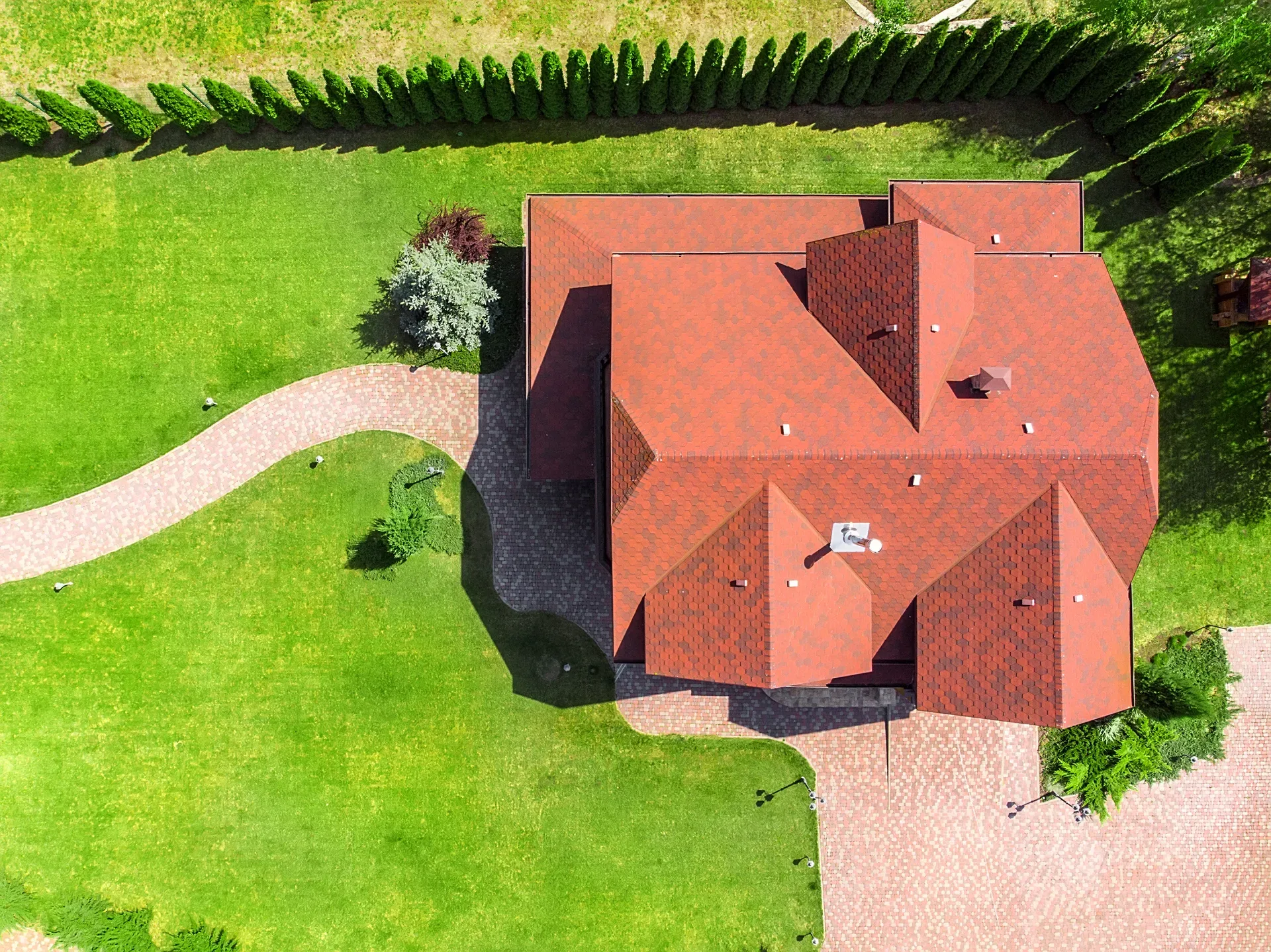
The Blue Mountains carried about 508 active TRREB listings as of mid-2026 — 412 for sale, 96 for lease — with a median ask near $989,000 and a median 71 days on market, the most patient pace of any market its size in the region. That patience is the whole character: this is Ontario’s resort town, where the ski hill meets Georgian Bay, and where most purchases are wants — a chalet, a harbour-town retirement, a four-season family base — not needs. A realtor website here is selling a considered luxury, and it has to look and behave like one.
Seventy-one days means the website is the relationship
In a market where a listing routinely sits ten weeks and a buyer deliberates for a year, almost all of the relationship happens between visits — which is to say, on your website. The site has to reward returning: saved searches by area and style, alerts on price changes as much as new listings, and sold history behind a compliant registration gate, because in a discretionary market closed prices are the reality check both sides need. Ontario’s rules for serving that data are summarized in Ontario sold data rules. A browser who registers in February and buys in November is a normal outcome here — if the machinery remembered them.
Sell the geography like a local
The Town of The Blue Mountains is small in population and wide in product: slope-side condos and chalets at the resort and Craigleith, Thornbury’s harbour streets and main-street life, golf-community homes at Lora Bay, and orchard-and-valley rural property inland. Each lane has its own buyer and its own questions — ski-in reality, shoreline ownership, what a rural winter involves — and area pages that answer them plainly are the strongest local-authority signal a site can send. Buyers weigh this town against Collingwood next door on almost every search; carry that comparison honestly and you keep both sides of it.
Presentation is table stakes at $989,000
A near-million median in a lifestyle market makes photography the first argument. Big imagery, listings given room, detail complete on arrival: on BrokerFold a listing publishes only when details, geocoding and photography are complete, and photos serve from our own CDN under the board’s display rules. The resort-country playbook — seasonal traffic, remote buyers, long nurture — is written up for cottage-country agents.
The lease lane is worth taking seriously as well: 96 of the town’s active listings were leases as of mid-2026, a chalet and seasonal-rental market that introduces future buyers to specific hills and streets a winter before they purchase there. A site that searches leases cleanly captures those households at the top of their arc.
Real estate lead generation in Blue Mountains
Lead generation in a resort market is capture at peak emotion, conversion at leisure. Traffic spikes when visitors are on the hill or at the harbour, dreaming; registration walls on sold data and saved searches turn that spark into named contacts. Then the CRM does the patient work: BrokerFold records each return visit and viewed listing on the contact’s timeline, runs long-arc nurture plans suited to two-season decisions, and surfaces the watcher whose browsing suddenly intensifies — the strongest buy signal a discretionary market produces. Volume is modest; attention to the right dozen contacts is the entire economics.
Templates and price
This market belongs on a photographic, editorial template — alpine-and-bay imagery doing the selling, map search up front, area guides one click deep. Any template can be test-driven as a real searchable site. Plan prices sit in the open at pricing, Canadian dollars throughout — site, feed, gate and CRM on one subscription, the trial card-free for two weeks — a fixed cost that behaves through a seasonal year.
Frequently asked questions
Why do Blue Mountains listings take so long to sell?
Because almost every purchase is discretionary. Median time on market ran around 71 days as of mid-2026 — the longest in the region — which is what a second-home and lifestyle-move market looks like. Buyers wait for the right chalet, the right view, the right winter; sellers wait for the right number. The website has to be built for that patience.
Who is the buyer here?
Mostly GTA households at the top of a long research arc: ski families tired of renting, remote workers going four-season, retirees choosing Thornbury's harbour over a city condo. They know the area as visitors; your site's job is to teach them the market — Craigleith versus Lora Bay versus town — and hold their attention until they act.
Does one site work for chalets, town homes and orchard country?
It does if the search and content respect the differences. Slope-side condos, bay-front homes, Thornbury streets and Beaver Valley rural property are four different purchases from one feed. Area pages and search lanes that keep them distinct are what make the site feel local.
Keep reading
- Cottage-country agents Websites for rural and cottage-country Ontario agents: map-led search, lake and township guides, long-distance buyers, and the board coverage truth.
- Ontario sold data rules What Ontario agents may do with sold data: display it on a VOW to registered users, advertise specific sales only with consent. The rules and their history.
- Template gallery Eight complete websites, every one a browsable live demo.
- Plans & pricing Published prices in Canadian dollars — from $89/month, $0 setup.