Realtor Website Design in Langley
The BrokerFold Team — Product + Engineering
Last reviewed
On this page
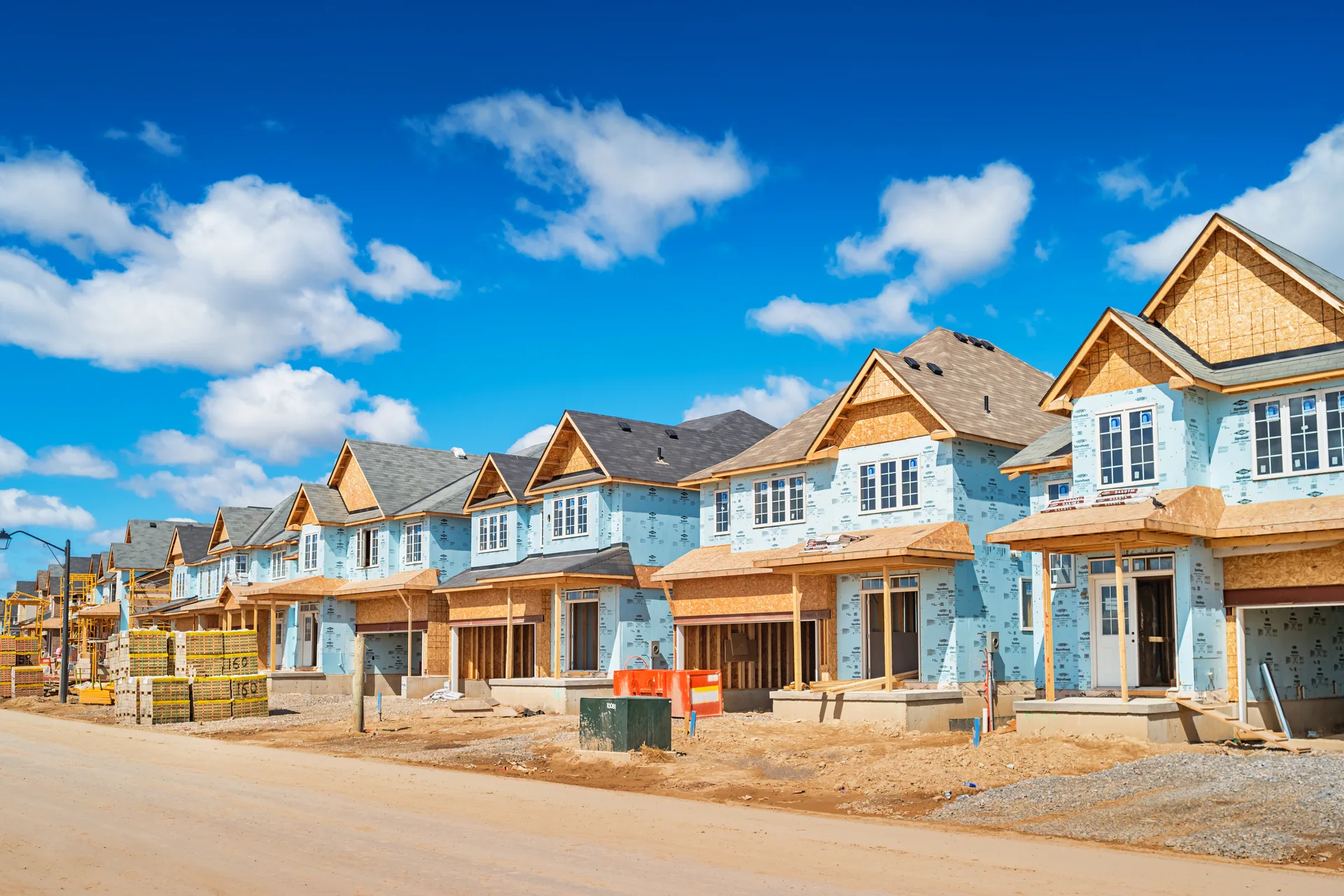
Langley sells two dreams from one MLS® feed: a brand-new Willoughby townhome with a garage and a ten-minute school run, and five quiet acres with a barn out toward Campbell Valley. The buyers are different, the search variables are different, and the jurisdictions are literally different — Township and City are separate municipalities. A realtor website that blurs any of that reads as an out-of-towner’s site, and Langley clients can tell in one scroll.
Willoughby is a new-build machine, and search should admit it
Phase after phase of townhome and rowhome product has made Willoughby the arrival point for buyers priced along the corridor, with the SkyTrain extension’s planned arrival in Langley City pulling the market’s centre of gravity further east. Serving those buyers means new-build-literate presentation: phases and completion timing given real estate on the page, strata product types kept honestly distinct, and resale townhomes shown beside new offerings so the trade-off is visible. Underneath, the feed plumbing is the shared tri-board pipeline described at GVR IDX websites — the Fraser Valley board, Greater Vancouver REALTORS® and the Chilliwack & District board run one MLS® system, so a Langley site follows clients across the region without a seam.
Acreage buyers search by land, not by bedrooms
Rural Langley — Fort Langley’s edges, Otter, Campbell Valley, Salmon River — trades on lot size, outbuildings, water and zoning before anyone counts bathrooms. A site built for this lane leads its search with land variables and backs it with community pages that read like someone who has actually driven the gravel: what the Agricultural Land Reserve means for a hobby-farm plan, why two five-acre parcels a concession apart can behave like different asset classes. Zoning and parcel-identifier fields are licensed to the signed-in VOW lane under the tri-board rules, and BrokerFold renders that boundary automatically — which turns a compliance constraint into a registration reason, because the serious land buyer signs in to see the detail.
Township, City, and the credibility of getting it right
Local credibility in Langley starts with the map. The City is its own compact market with its own council, its own redevelopment story and, soon, its own SkyTrain terminus; the Township wraps around it with everything from Walnut Grove family streets to equestrian country. Community pages should be organized the way locals give directions, and your about-the-area writing should never say “Langley” when it means one of them.
The sold layer, done by the book
Fraser Valley consumers research closed prices as readily as anyone in the metro, and the compliant channel is a VOW on your domain. The regional walkthrough is at showing sold prices in BC; the short version is registration, click-wrap terms, a monthly credential cycle the platform automates, and a field-level split between what the open web may see and what signed-in visitors may. None of it requires your attention once it is running.
Straight talk on coverage and cost
BrokerFold’s data plane speaks the tri-board feed natively today, with Reciprocity display rules and the disclaimer set built in; your data access rides your own brokerage’s board agreements while we hold the technical vendor seat. What we build for BC practices generally is laid out at realtor websites in BC, the capture-to-follow-up half at lead generation in Langley, and the plans — Canadian dollars, no sales-call pricing — at pricing.
Frequently asked questions
Is Langley one market or two?
Two jurisdictions, several markets. The City of Langley is compact and increasingly transit-oriented; the Township runs from Willoughby's townhome phases to Fort Langley heritage and genuine rural acreage. A serious website keeps the distinction straight because every local client does.
Can visitors search acreage properly on my site?
They should be able to search by the variables acreage buyers actually use — lot size first among them — and read community pages that treat rural Langley as its own market. Zoning detail sits in the VOW-licensed field set, so it renders for signed-in visitors, which the platform handles automatically.
How do sold prices work on a Langley website?
Behind a VOW under the shared tri-board rules: visitors register, accept the terms of use, and hold sign-in credentials that lapse every 30 days. BrokerFold runs the expiry and renewal cycle for you, and the sold layer re-locks automatically if a password ages out.
Keep reading
- Real Estate Lead Generation in Langley Langley leads come from new-build communities and families moving east for space. Capturing presale researchers and movers on your own domain.
- GVR IDX website A GVR IDX website serves tri-board actives on your domain under Reciprocity rules: per-record licensing, own-CDN photos, and the display chrome built in.
- Show sold prices BC The step-by-step path to sold prices on a BC agent's website: the VOW registration wall, the board paperwork, and the 30-day password lifecycle.
- Realtor websites BC Board coverage, BC's VOW-only sold-data rules, and the compliance chrome a BC realtor website carries by default — plus live templates and CAD pricing.
- Plans & pricing Published prices in Canadian dollars — from $89/month, $0 setup.