Realtor Website Design in Caledon
The BrokerFold Team — Product + Engineering
Last reviewed
On this page
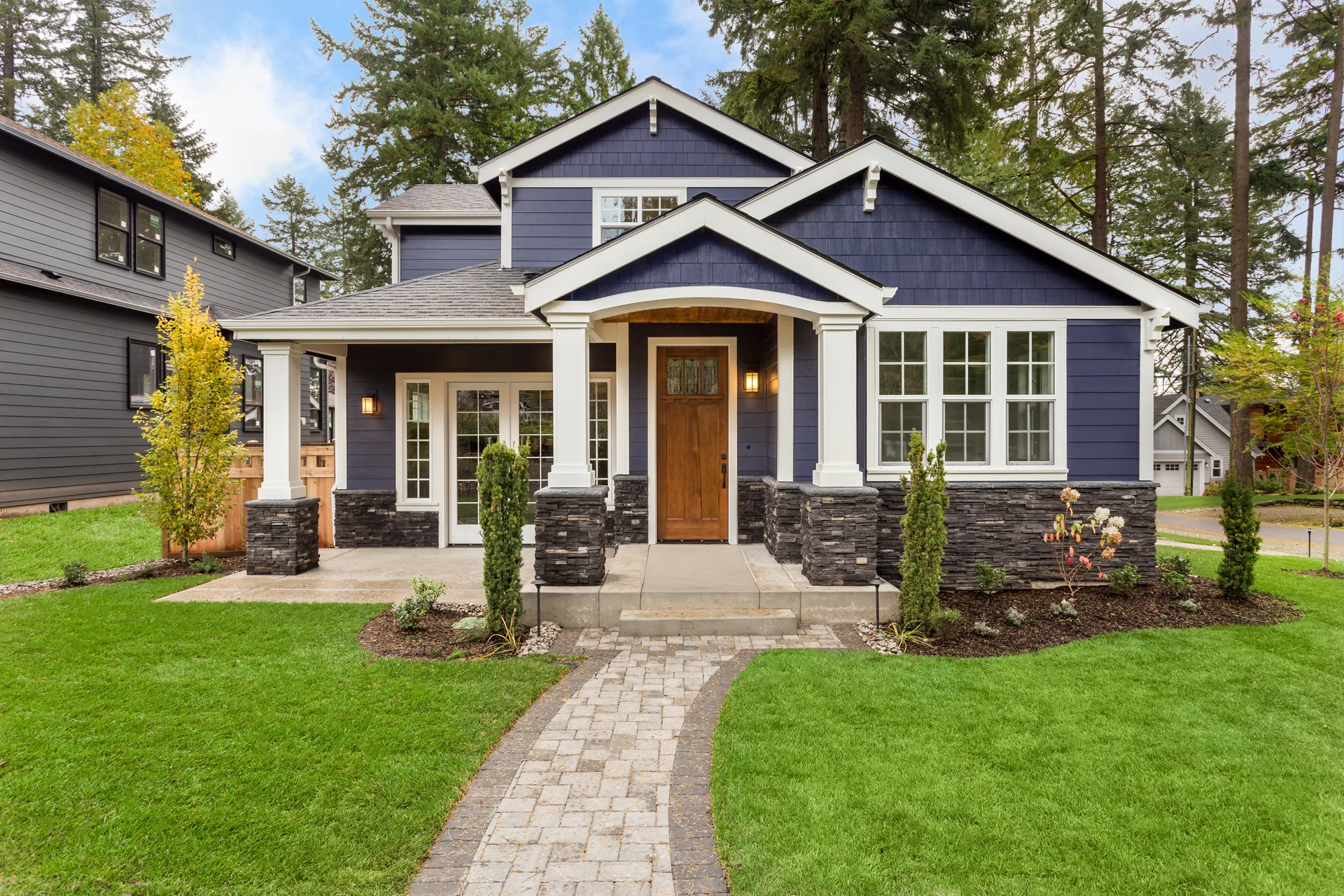
Caledon is where Peel stops being suburban: protected countryside under the greenbelt and the Oak Ridges Moraine, hamlets like Belfountain and Alton, the working town of Bolton, and estate properties along concession roads that trade on privacy, land and long horizons. It carried one of the highest median asking prices in the region — around the high-$1.3M mark as of mid-2026 — and prices like that change how people buy. Slowly, carefully, and with a screen full of open tabs. A realtor website here is a luxury storefront and a land-knowledge library at once.
Presentation is the price of entry
At this price point the website is judged the way the property will be: on light, space and restraint. Estate listings need room to breathe — full-bleed photography, floorplans and lot context, video treated as a first-class asset rather than an embed — and the design around them should stay quiet. This is the market the national portals serve worst, because their templates compress a 25-acre property into the same card as a condo. A practice site that presents land properly is not vanity; it is the visible argument for your listing-side value, which in Caledon is the business.
Land literacy converts city money
Much of Caledon’s demand walks in from the 905 and 416 with suburban instincts and rural questions. Content that answers them plainly — well and septic due diligence, conservation authority and greenbelt constraints, severance realities, what maintaining a long driveway through February involves — does two jobs: it ranks for the questions buyers actually type, and it separates you from agents who list the countryside but clearly live in the grid. The hamlets deserve individual treatment too; a Belfountain buyer and a Bolton buyer are different clients with different budgets who happen to share a municipal border.
The equestrian and hobby-farm lane rewards the same specificity. Paddock and outbuilding details, trail access, hay storage, what a barn means for insurance conversations — publishing this level of practical knowledge signals that your practice actually handles rural transactions rather than occasionally listing them, and it draws a search audience with almost no credible competition online.
Real estate lead generation in Caledon
Lead flow in an estate market is thin and heavy: fewer contacts, each worth multiples of a suburban lead, on timelines that run seasons. Capture accordingly. Gated sold data — served compliantly behind a VOW registration wall, per show sold prices in Ontario — draws the serious buyer benchmarking scarce rural comparables. Valuation paths draw the estate-side seller quietly testing the market. BrokerFold keeps every registered contact on a behaviour timeline, so a watcher who has quietly opened the same Caledon East property nine times surfaces before they ever fill in a form, and nurture plans hold the two-year browser without a single awkward cold call.
Machinery and coverage
Caledon sits inside TRREB territory and our feed is a direct one: no listing goes live until its details, geocoding and photography are finished, and imagery serves from a CDN we control, as board rules require. Patience shows in the data — rural-luxury listings here sat well over six weeks on average as of mid-2026, which is normal for the segment and worth explaining honestly to sellers on your listing-side pages. A Caledon practice also rarely lives alone; most books blend Bolton with Brampton or Orangeville, and the Peel Region page covers running that spread from one site.
Start point and price
We would start an estate practice on our most photographic, editorial template — imagery first, dense chrome nowhere — and a Bolton-centred family practice on a listings-forward design with fast filtering. Both run as live, searchable demos at templates. Our plan prices are public at pricing, in Canadian dollars; no percentage of a Caledon commission, just a flat subscription for the full stack.
Frequently asked questions
Is Caledon really a luxury market, or just an expensive one?
Both, and the website has to serve both. Bolton trades like a GTA family suburb at a premium; the rural concessions, hamlets and estate properties trade like luxury — long consideration, land questions, privacy value. One design that treats every listing the same fails each half.
What land questions should the website answer before buyers call?
The ones that stall city buyers: wells and septic systems, what conservation and greenbelt designations mean for building or severing, how a horse property differs from a hobby farm in practice, and winter reality on a rural road. Plain answers position you as the agent who knows the concessions.
Do estate buyers register on realtor websites?
They do when the wall is worth it. Gated sold data is the draw — a seven-figure rural decision leans on closed comparables that are scarcer and harder to read than suburban ones — and a registered account with saved searches suits a buyer who may watch the market for two years.
Keep reading
- Realtor Website Design in Peel Region One region, three different markets. What a Peel realtor website needs to serve Mississauga condos, Brampton family stock, and Caledon estates at once.
- Show sold prices Ontario Ontario agents can show sold prices on their own website through a VOW: registered visitors, terms acceptance, gated display. The steps, start to finish.
- Template gallery Eight complete websites, every one a browsable live demo.
- Plans & pricing Published prices in Canadian dollars — from $89/month, $0 setup.