How do open houses generate leads?
The BrokerFold Team — Product + Engineering
Last reviewed
On this page
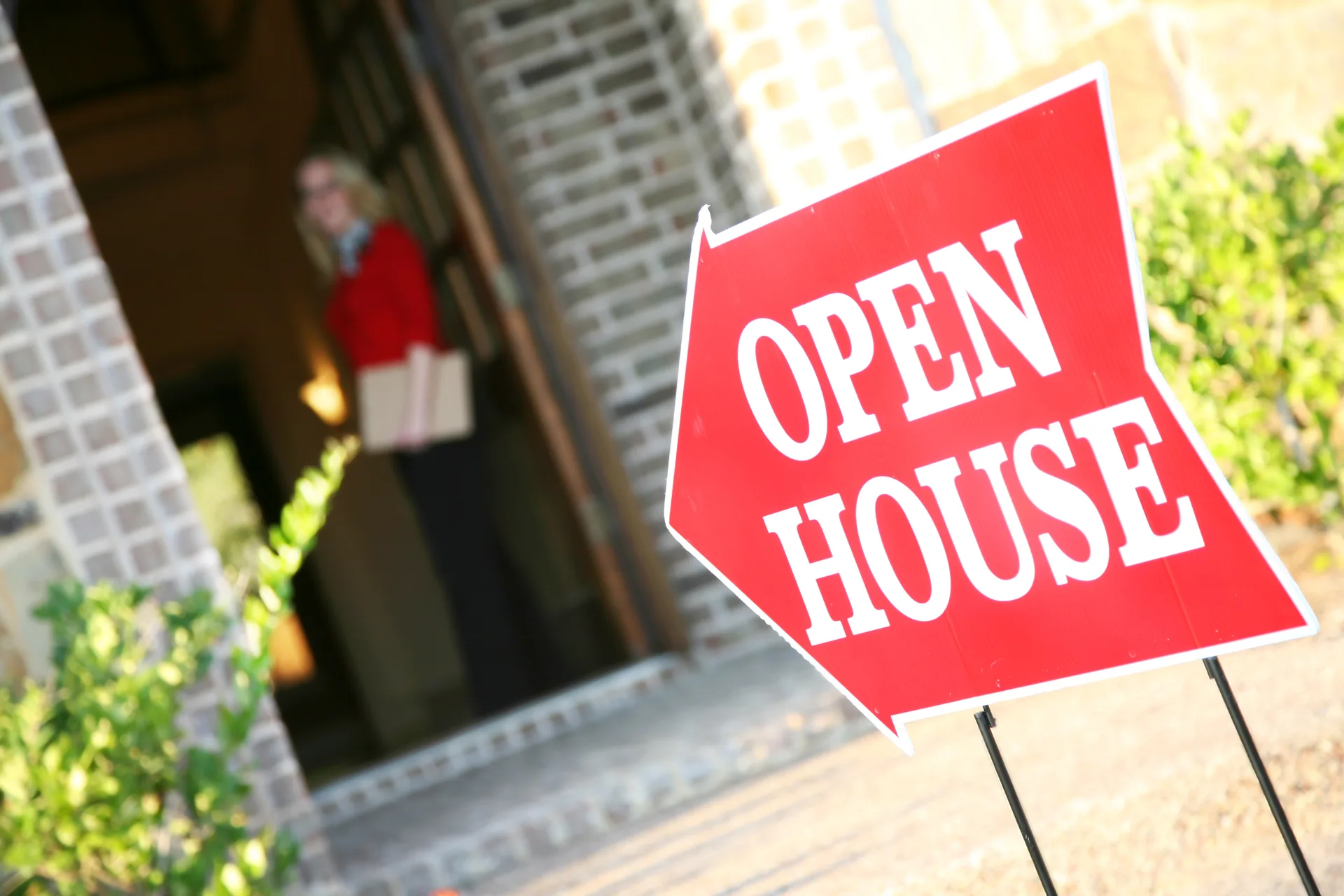
An open house generates leads because it gathers, in one room, people who volunteered their interest in real estate: buyers touring the market, neighbours quietly benchmarking their own home, and the occasional just-fired-their-agent wildcard. The house is the event; the leads are everyone who walks through it. Whether any of that turns into business depends on three mechanics — capture, consent, and follow-up — and most agents run the event while skipping all three.
Who is actually in the room
Read the room by motive and you find two lead types wearing visitor badges. Buyers are the obvious ones — some working with agents, many not, most early in their search and unattached. A conversation that helps them (what else is nearby, what this street trades at) starts a relationship no portal can. Neighbours are the underrated ones: a neighbour at your open house is very often a homeowner quietly wondering what their own place is worth, which makes them a seller lead at the earliest and most winnable stage. Treat the “just curious, we live two doors down” visitor as a VIP, offer the street’s recent sold picture, and you are frequently the first agent in a listing conversation that will not happen publicly for months.
Capture: from sign-in sheet to CRM record
A paper sign-in sheet is where open house leads historically went to die — illegible, untyped, and forgotten in a folder. The working version is digital: a tablet or QR sign-in that writes each visitor directly into your CRM with the listing attached, so Saturday’s twenty conversations exist as twenty records with context by Saturday night. Capture is also where consent happens. In Canada, the email address you collect is governed by CASL: an inquiry gives you a time-limited implied consent measured in months, while a clear marketing opt-in checkbox — unticked by default, plainly worded — gives you durable permission for the long nurture. Build the checkbox into the sign-in and record what was consented to; the mechanics live in can I email leads under CASL.
Follow-up: the same-evening rule
The open house’s conversion window is short because the experience is what you are trading on. Follow up the same evening — personally, specifically, referencing the actual visit — and you are the agent who noticed them. Wait until midweek and you are one of several agents blast-emailing a list. The rhythm that works: a same-evening personal note to everyone captured, a next-day call to the conversations that had real substance, and then the standard response-speed and cadence discipline that governs every other lead source. Visitors who were “just looking” go into alerts and nurture; neighbours get the street-specific market follow-up that speaks to what they were actually there to learn.
Give the visit a next step
A lead is a person plus a reason to talk again. Manufacture the reason before the event: sold comparables for the neighbourhood, a private showing of two similar homes, a listing-alert setup for buyers who found this one too small or too dear, a valuation conversation for the neighbour. Each visitor should leave with one concrete offer matched to their motive — which requires actually asking about their motive, the five-second qualifying question most door-greeters skip.
The infrastructure behind good opens
The event repays whatever system sits behind it. Open house times on your own website arrive automatically through the MLS feed, so promoting the event needs no manual data entry; BrokerFold surfaces schedules as badges, a search filter, and detail-page times, and its open house tooling ties the appointment into the CRM so captured visitors land on a timeline you can actually work. The pattern worth copying is boring: promote the event where buyers already look, capture every conversation with consent attached, and follow up while the paint smell is still in their memory. Agents who run opens that way describe them as a lead channel; agents who run opens as door-holding describe them as a waste of a Saturday. Both are reporting accurately on their own systems.
Frequently asked questions
Should I require sign-in at an open house?
Require is a strong word for someone standing in the doorway, but you can make signing in the natural default: greet everyone, ask them to sign in for the seller's security — a legitimate reason — and offer something worth the email address, like the feature sheet or the sold comparables for the street. Most visitors comply when the ask is framed as normal and the value is immediate.
Do open houses actually sell the house?
Sometimes, and the seller deserves the honest version: an open house occasionally produces the buyer, reliably produces market feedback, and consistently produces contacts for the agent. Those three outcomes coexist. Running opens ethically means the marketing benefit to the seller is real and the lead benefit to you is a by-product, not the secret point.
How soon should I follow up with open house visitors?
The same evening, while the visit is fresh. A short personal note referencing something specific — the question they asked, the room they lingered in — lands completely differently at 8 p.m. that night than a generic blast on Tuesday. Speed and specificity are the whole trick; every day of delay converts a warm conversation back into a cold contact.
Keep reading
- Open house tools Open house schedules from the MLS feed, surfaced automatically: badges, an upcoming-only search filter, detail-page times, and CRM appointments.
- Can I email leads under CASL? Yes, with consent: express, or implied within CASL's time limits, plus sender ID and a working unsubscribe. What realtors must record, and what to never do.
- What is speed to lead? Speed to lead is the time from inquiry to your first response. Research puts a 5-minute response at roughly 21x the qualification odds of a 30-minute one.
- Do open houses come through the MLS feed Yes — open-house records are a standard RESO resource, so a well-built site publishes an always-current open-houses page with zero manual entry.